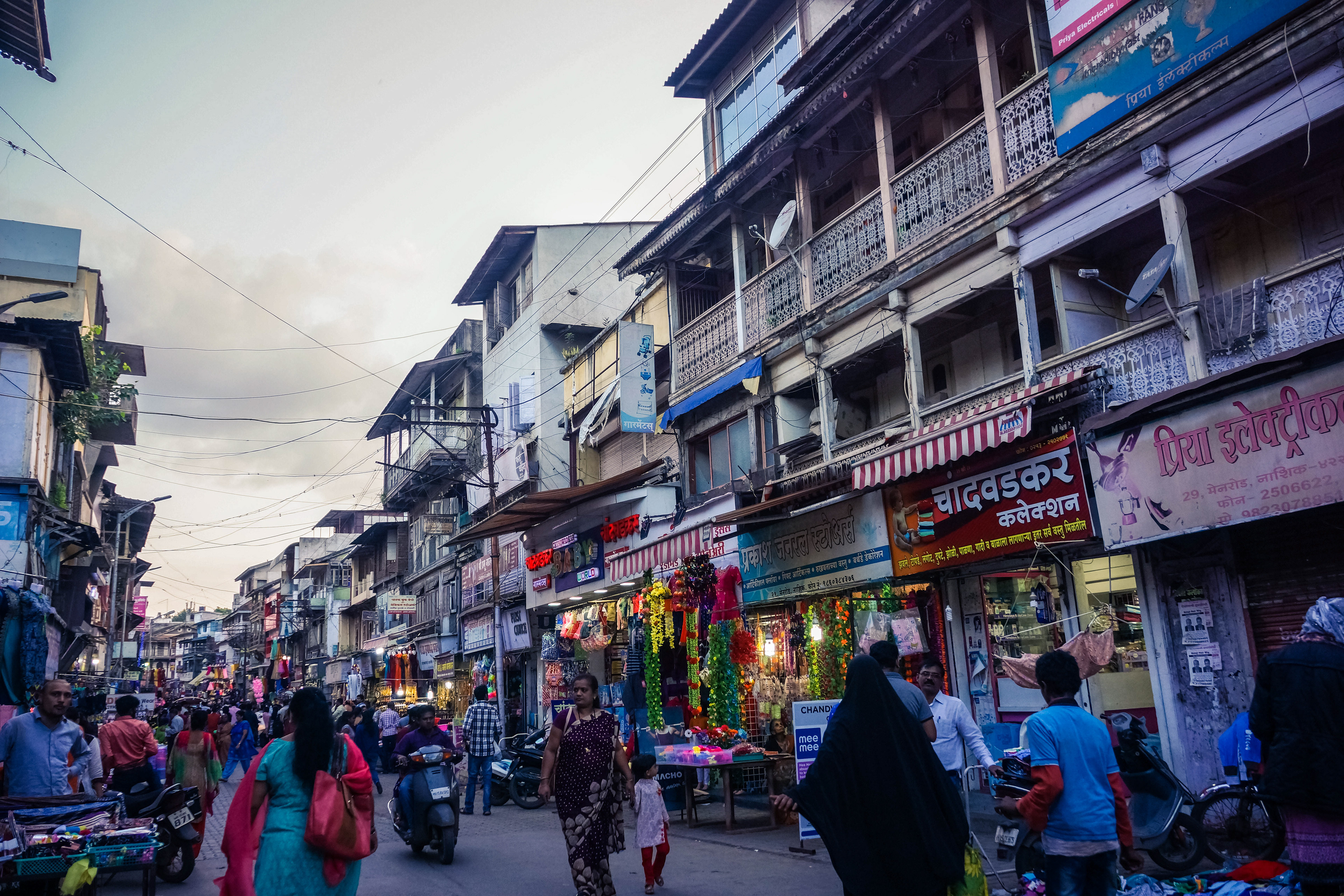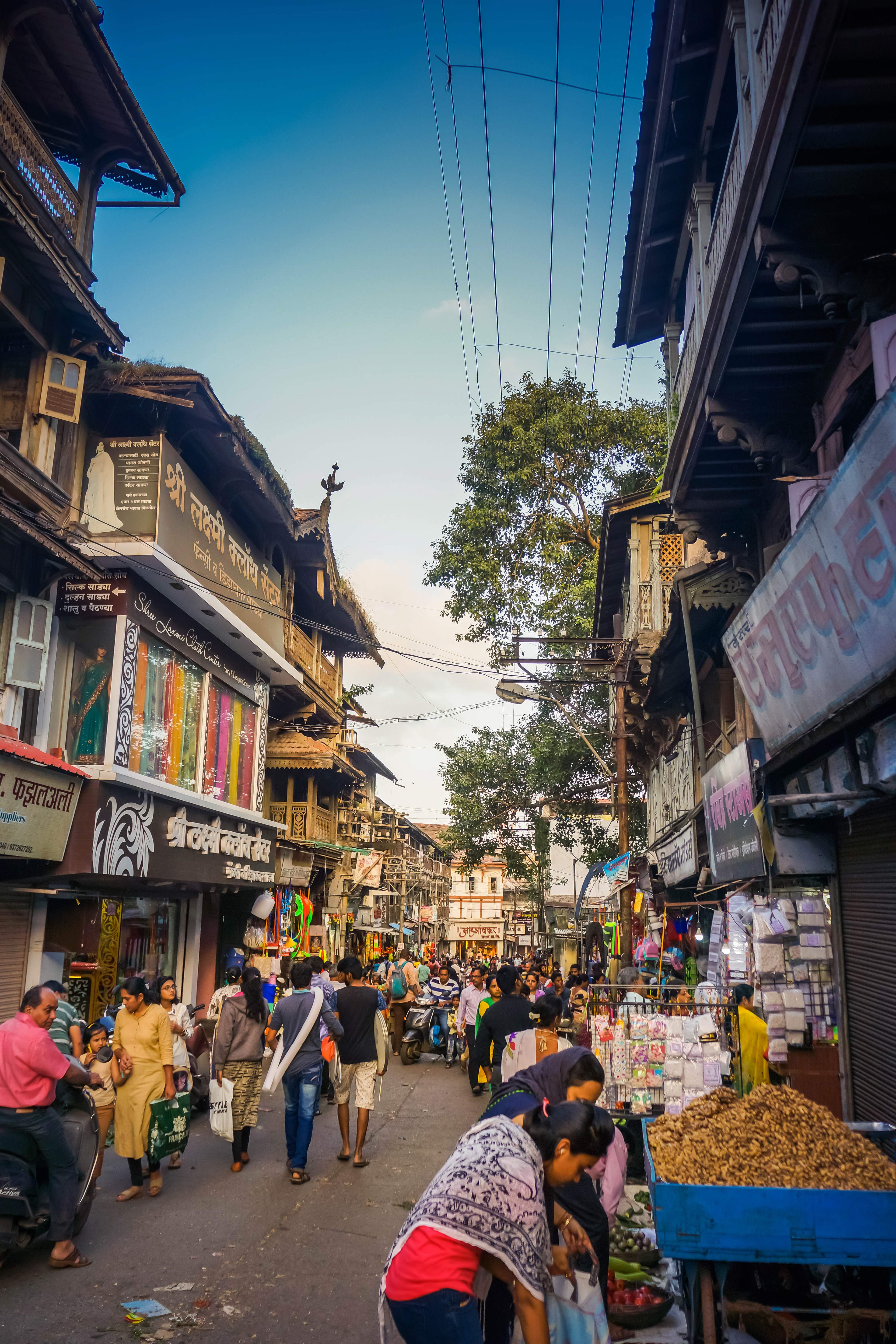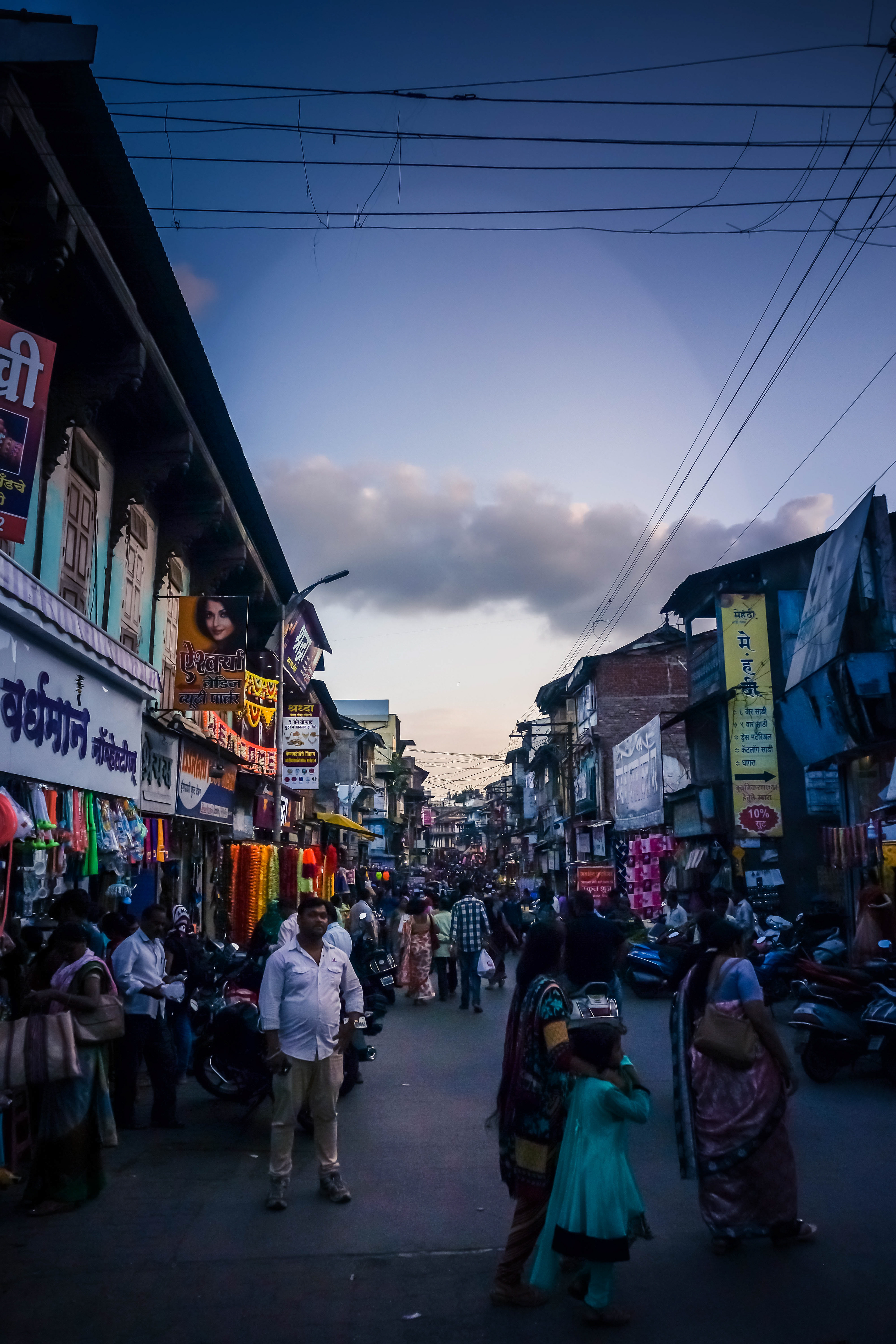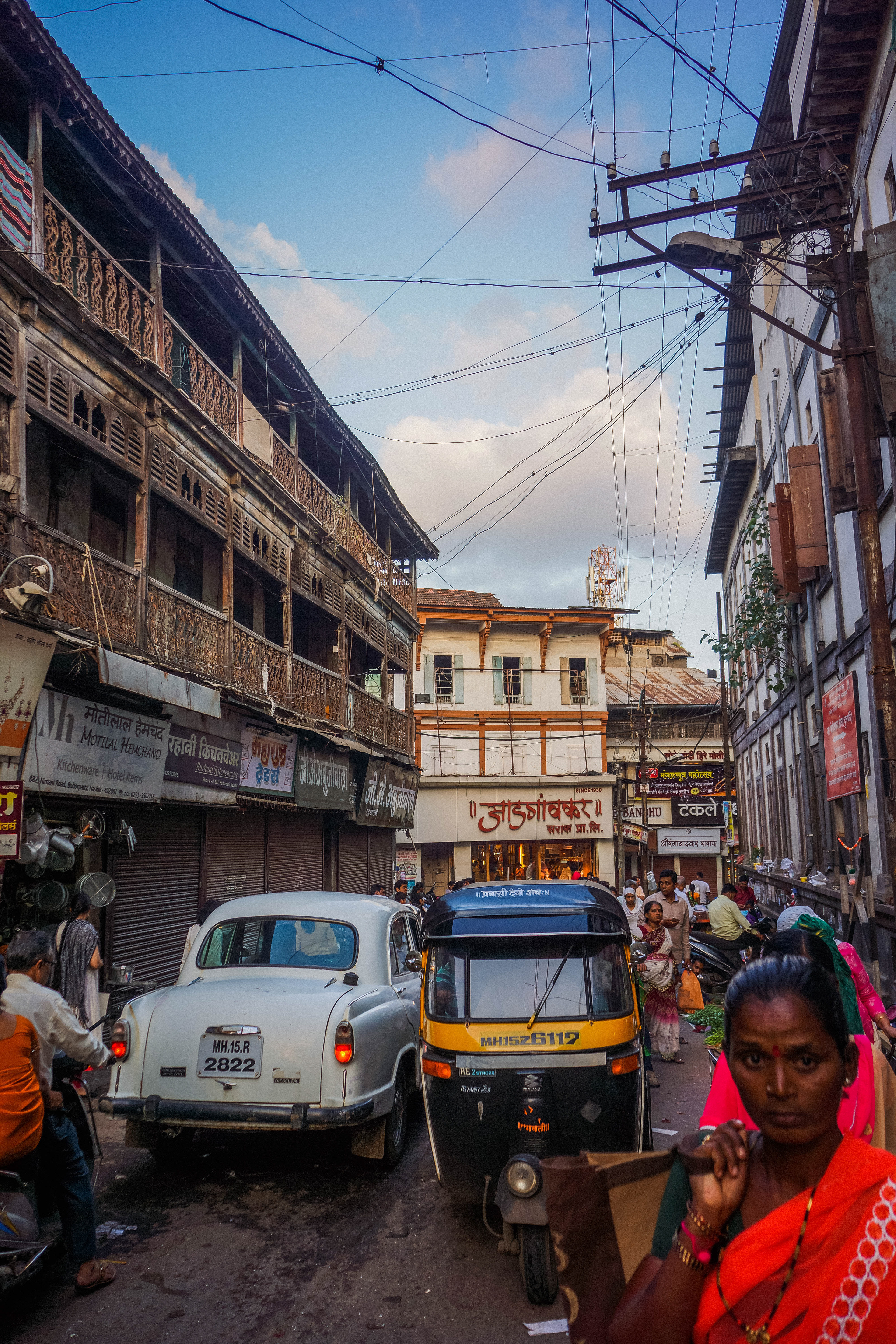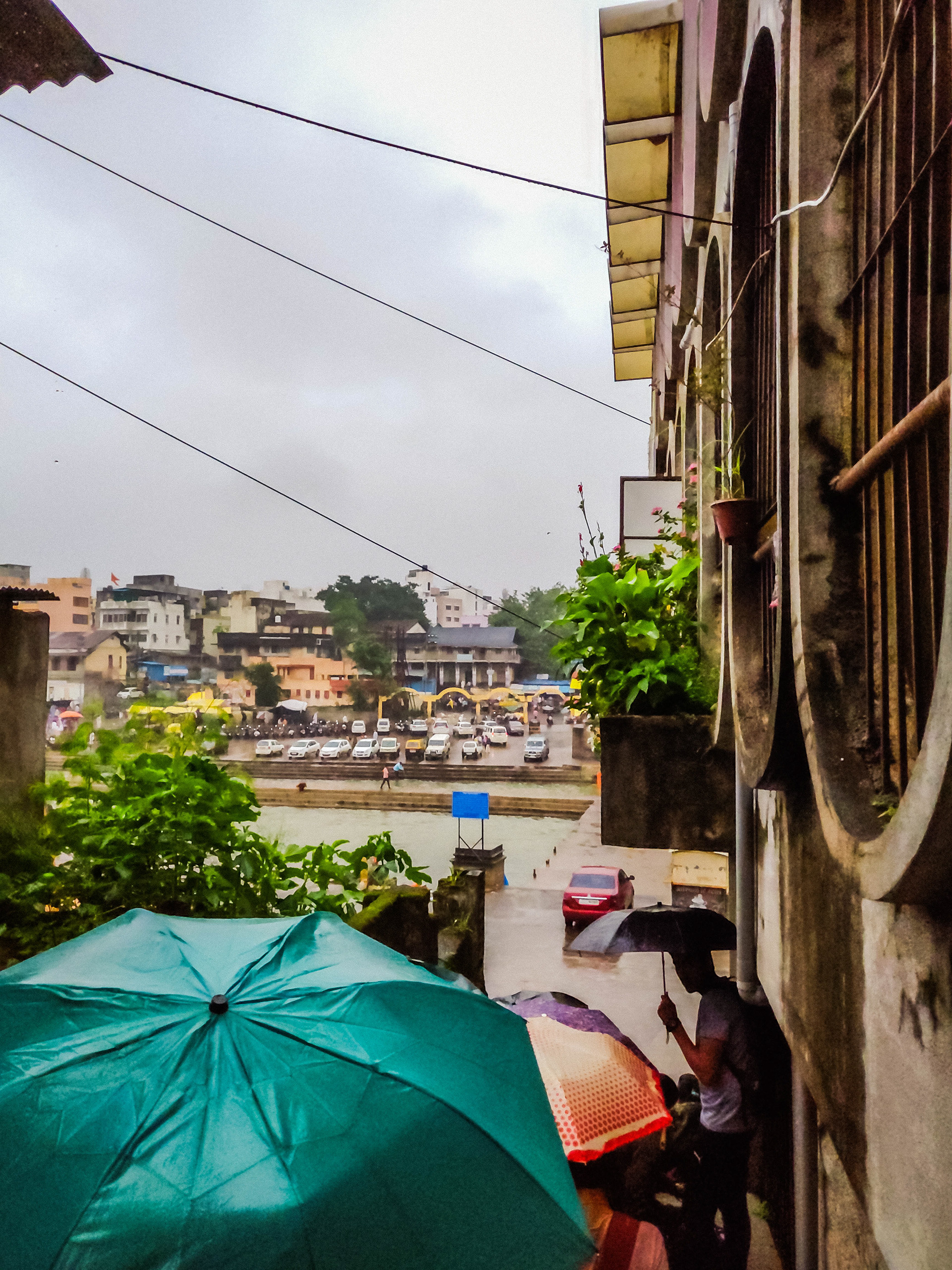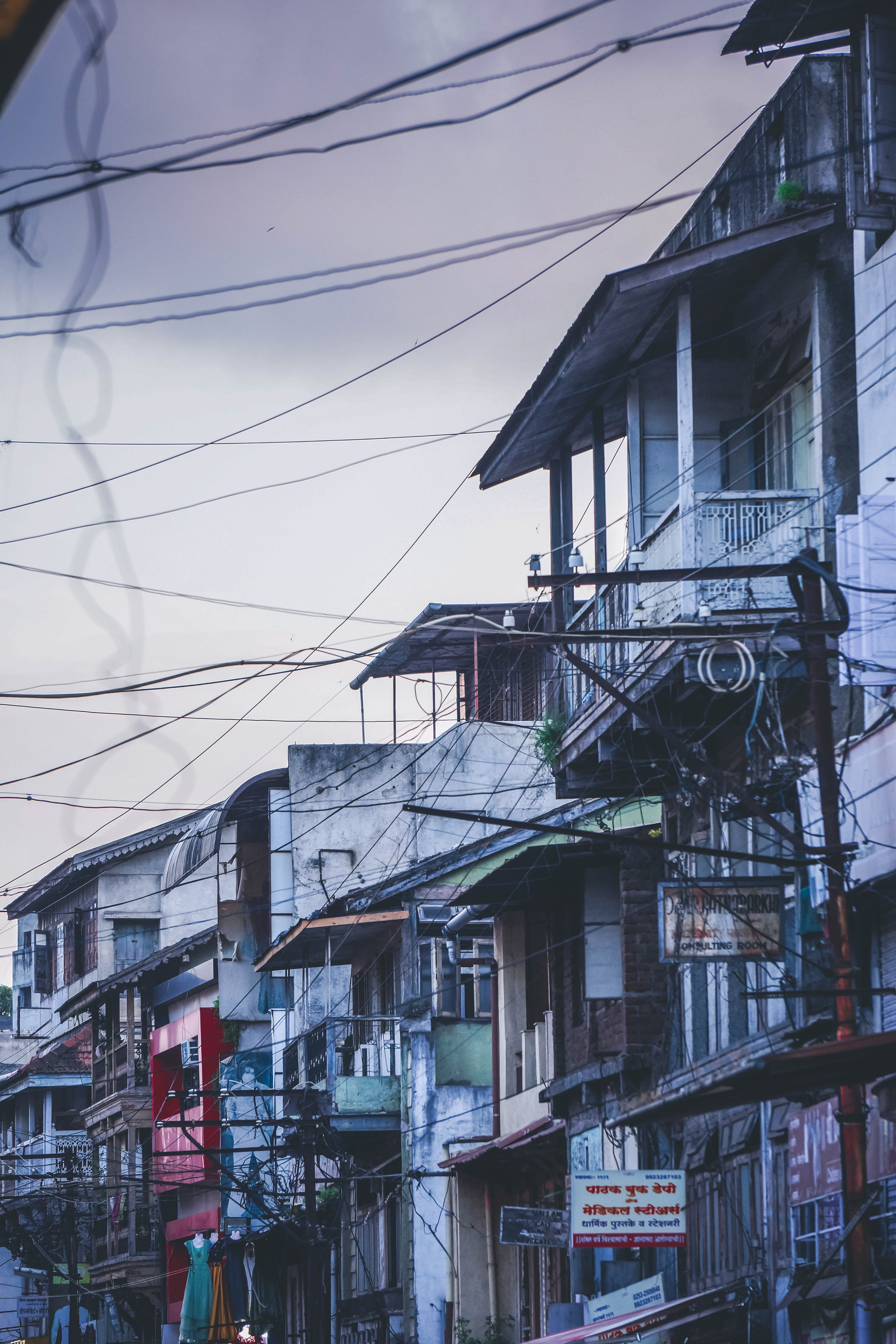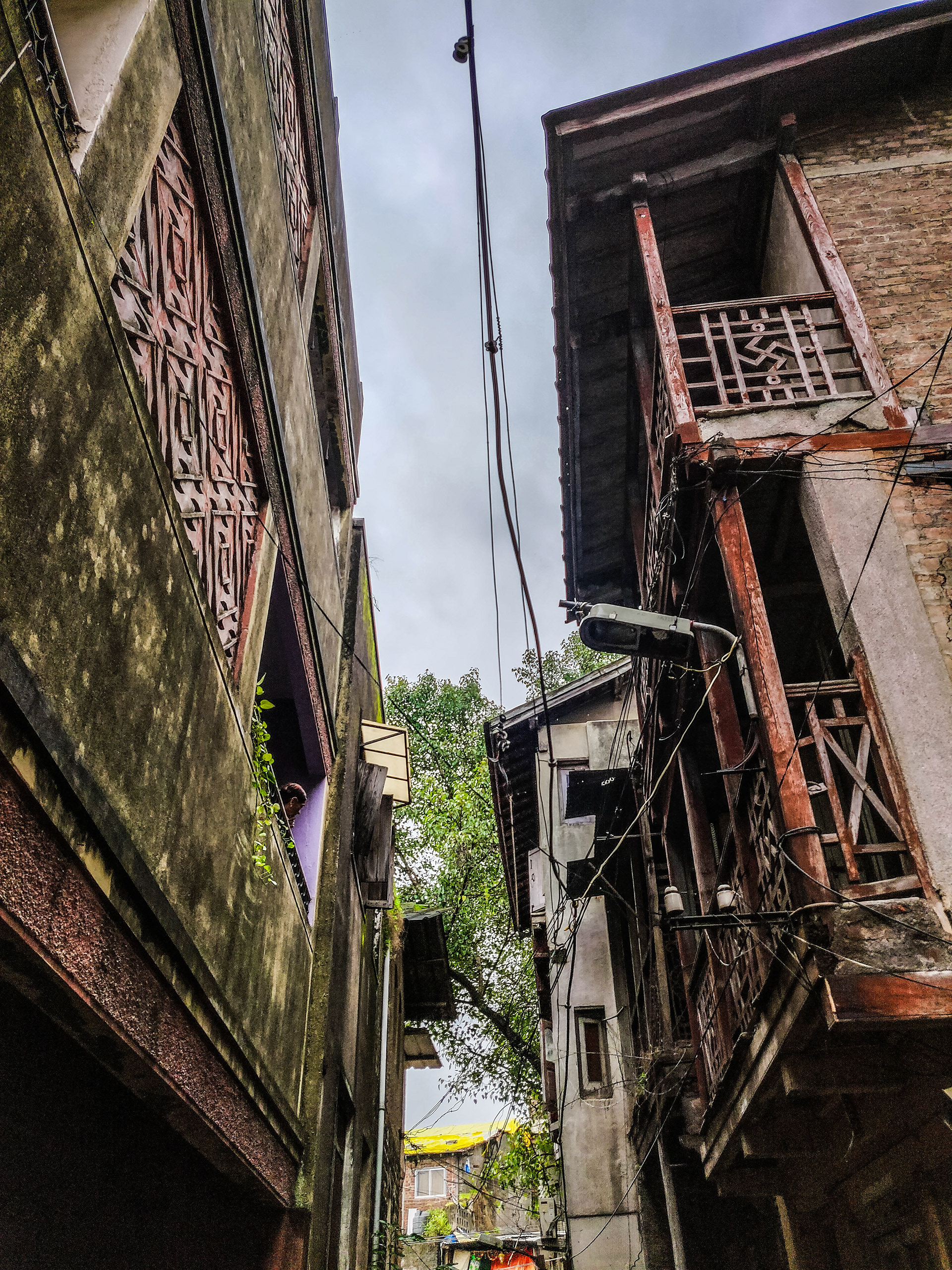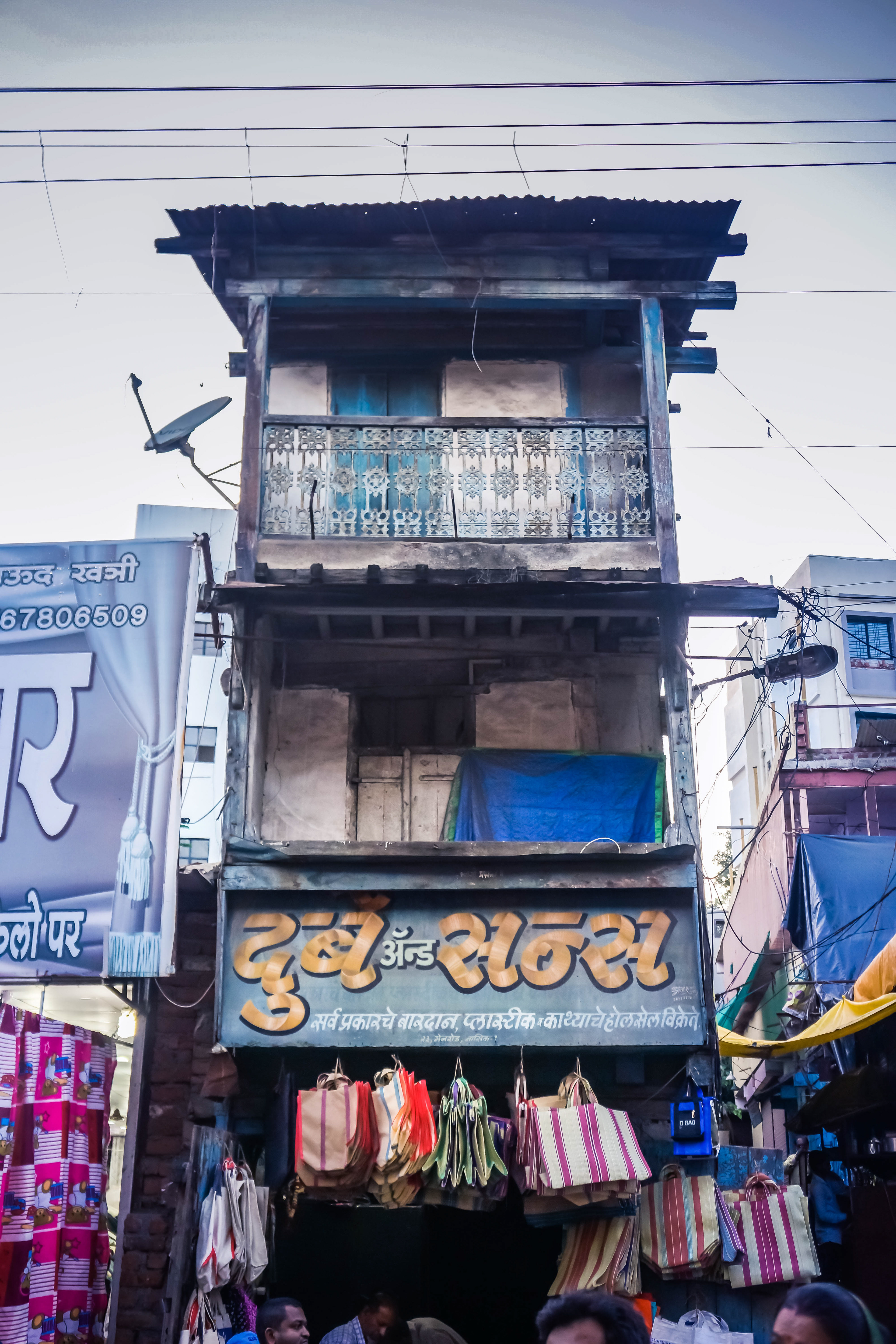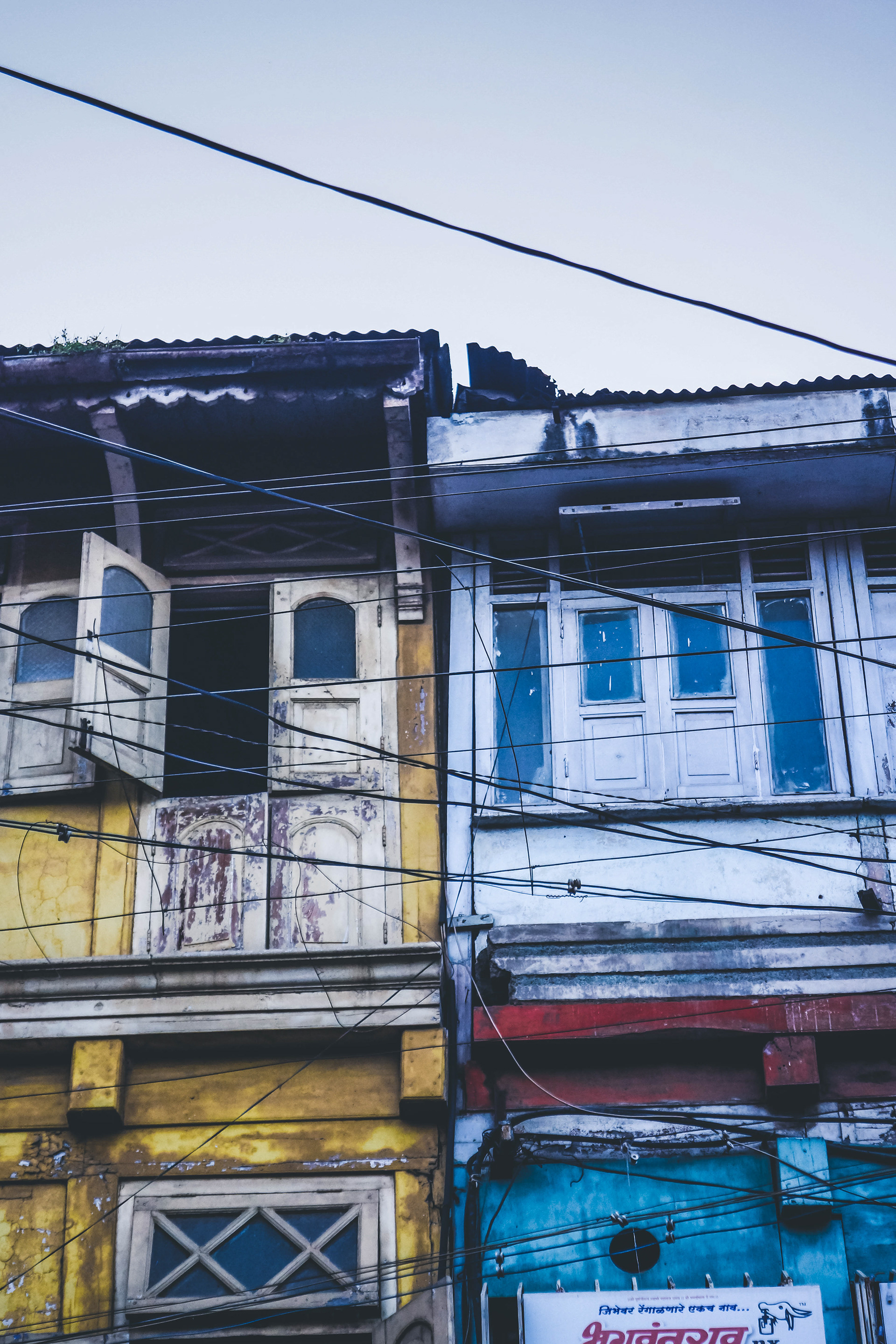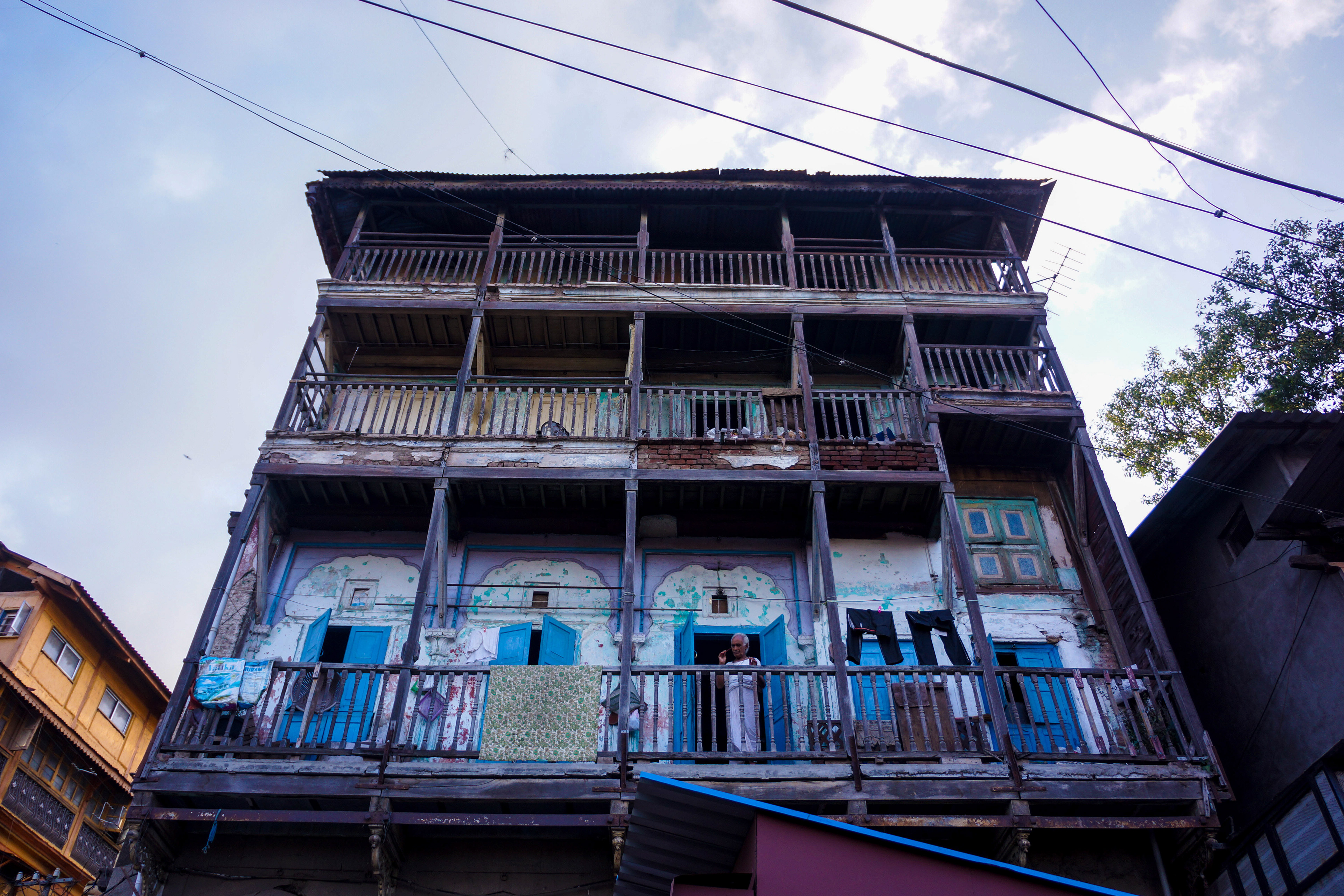
Nashik, my home town is a small city situated in the northwestern part of the Deccan plateau, in the upper Godavari basin. Nashik is located at a distance of 181km, northeast of Mumbai. There are two specific reasons I am writing about this city. First, I was born here and this my home town, and second, Nashik’s religious importance and the architectural character.
Like most of the other Indian cities, the holy city of Nashik is an accretion of time. Sanctity, tradition, art, culture and modern factory industry have made a deep impact on Nashik. Although Nashik is one of the ancient cities of India, the origin of the city’s name and the subsequent change in the name can only be g=vaguely derived from the available literature. According to the early Hindu records the city was known as Padmanagar or Lotus city during the Krita Yuga. During Treta Yuga the city was known as Trikantak or three peaked city as it grew over there hills on the right bank of the river Godavari. It became Janasthan during ‘Dwapara Yuga’ when the city area expanded at the cost of the receding forests and the city became peopled. With the dawn of ‘Kali Yuga,’ the city came to be called as Nashik or Navshikh, the nine mounds on which the present city is growing. The nine hillocks apparently attracted early settlement due to seasonal floods of Holy river Godavari and location sanctity. Another version of the city’s name is Nasika meaning ‘nose’ and this was the place where Laxmana cut the nose of Shurpanakha during their exile in the mythological epic period of Ramayana. This city was also mentioned as part of the ‘Dandakaranya’ region during that period. During the Islamic rule, the name of Nashik city was changed to ‘Gulshanabad’, the city of roses and it was made the headquarters of a division.
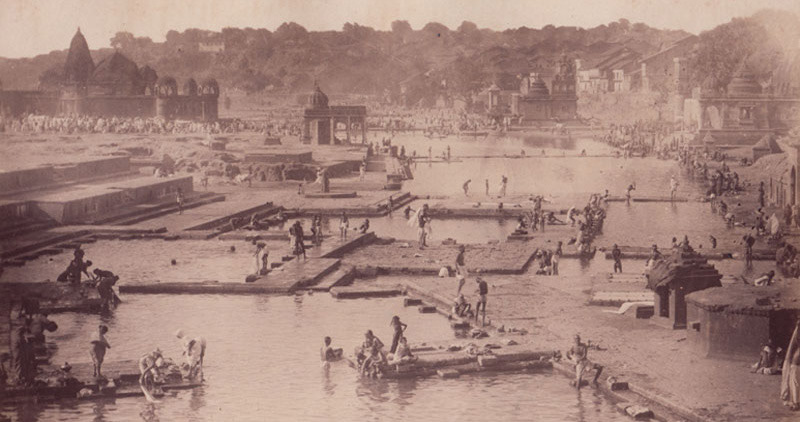
In the year 1751-1752 the city was taken over the Peshwas and the name was revived to Nashik. In the central position at the head of the main bazaar road is the Peshwa’s ‘ New Palace’, Sarkar Wada. Many temples pools and ghats on the bank of river Godavari and the typical Maharashtrian residence are popularly known as Wadas were built during this period. The important temples are all located on the river banks forming a temple complex around numerous pools.
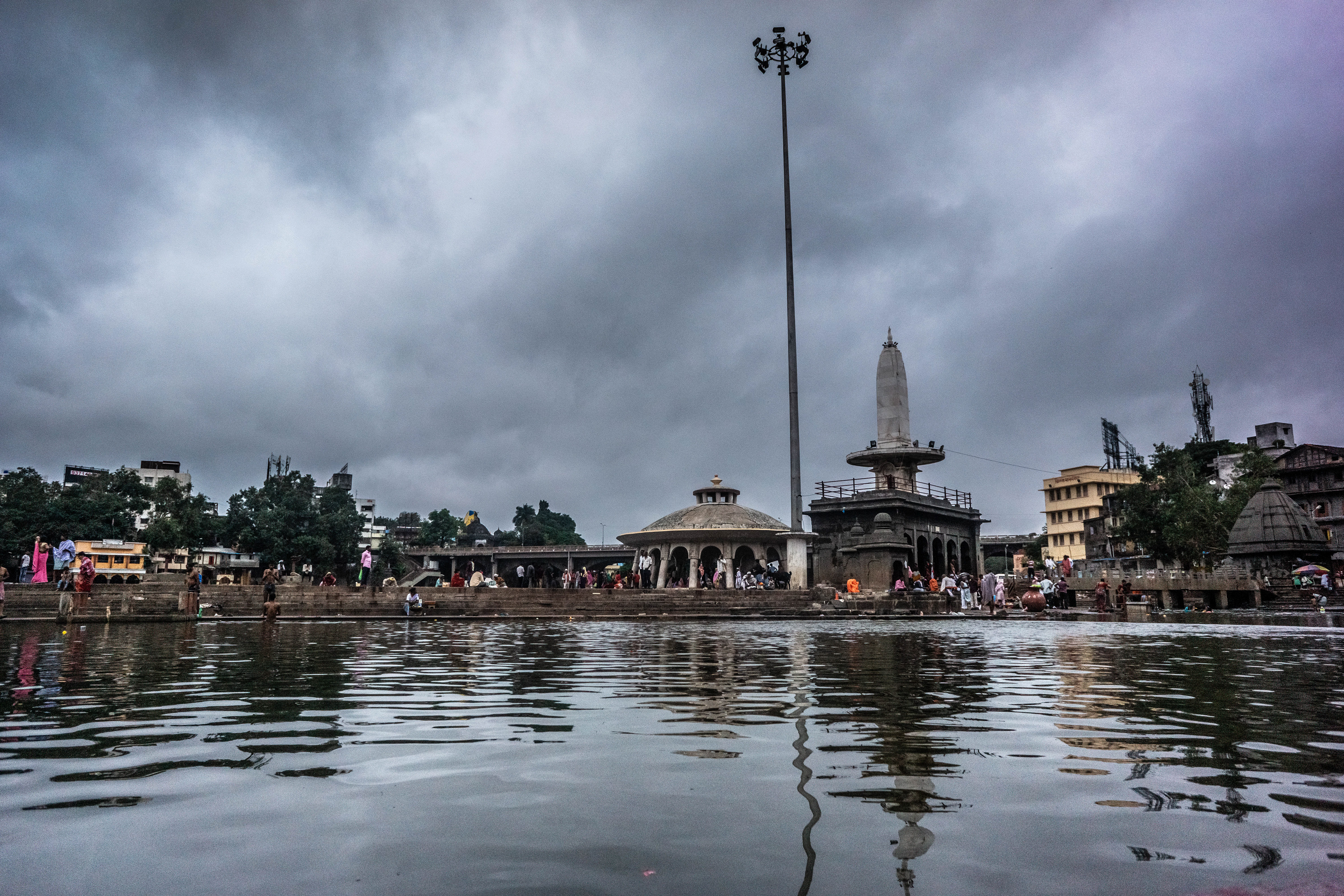
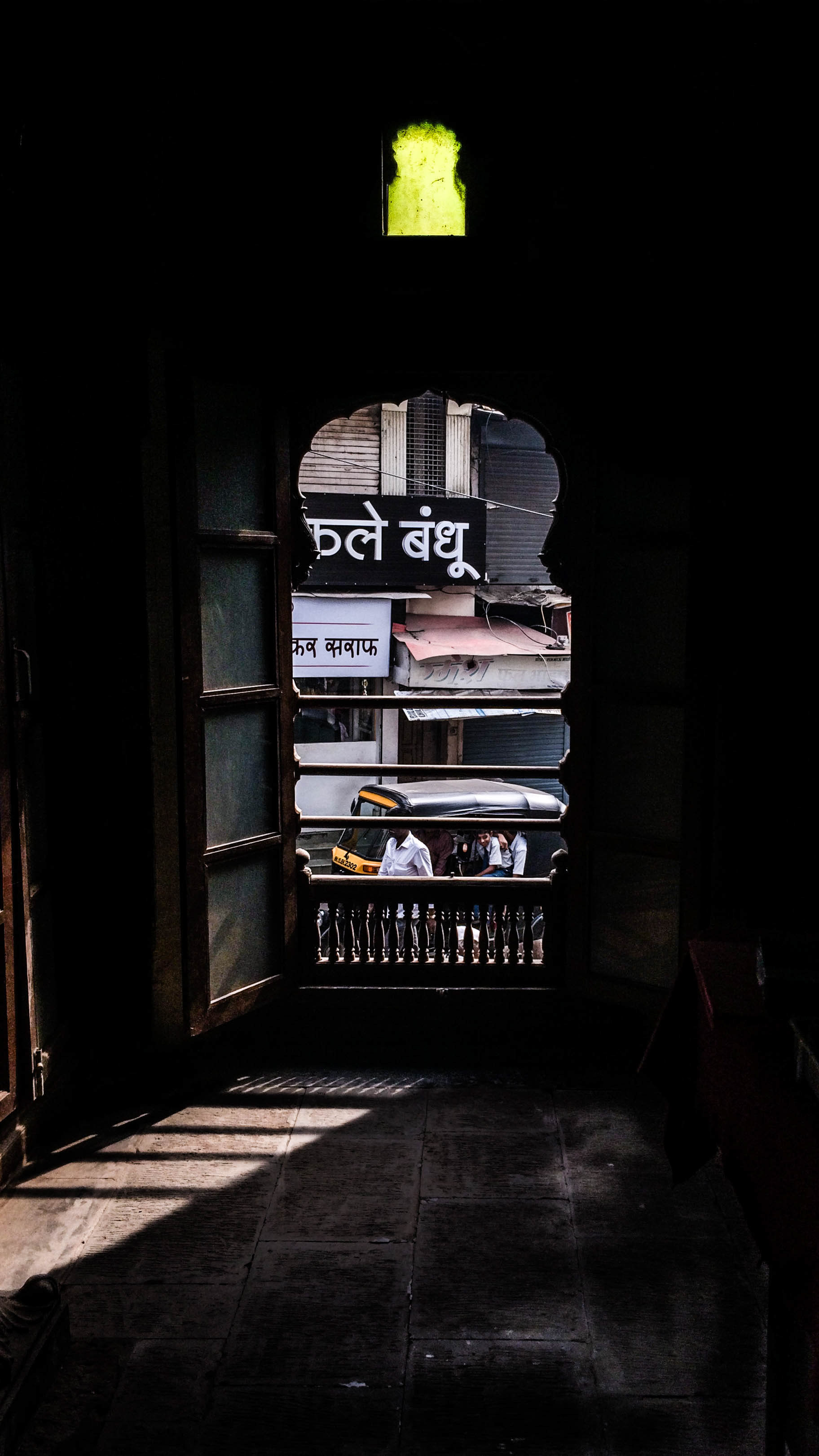
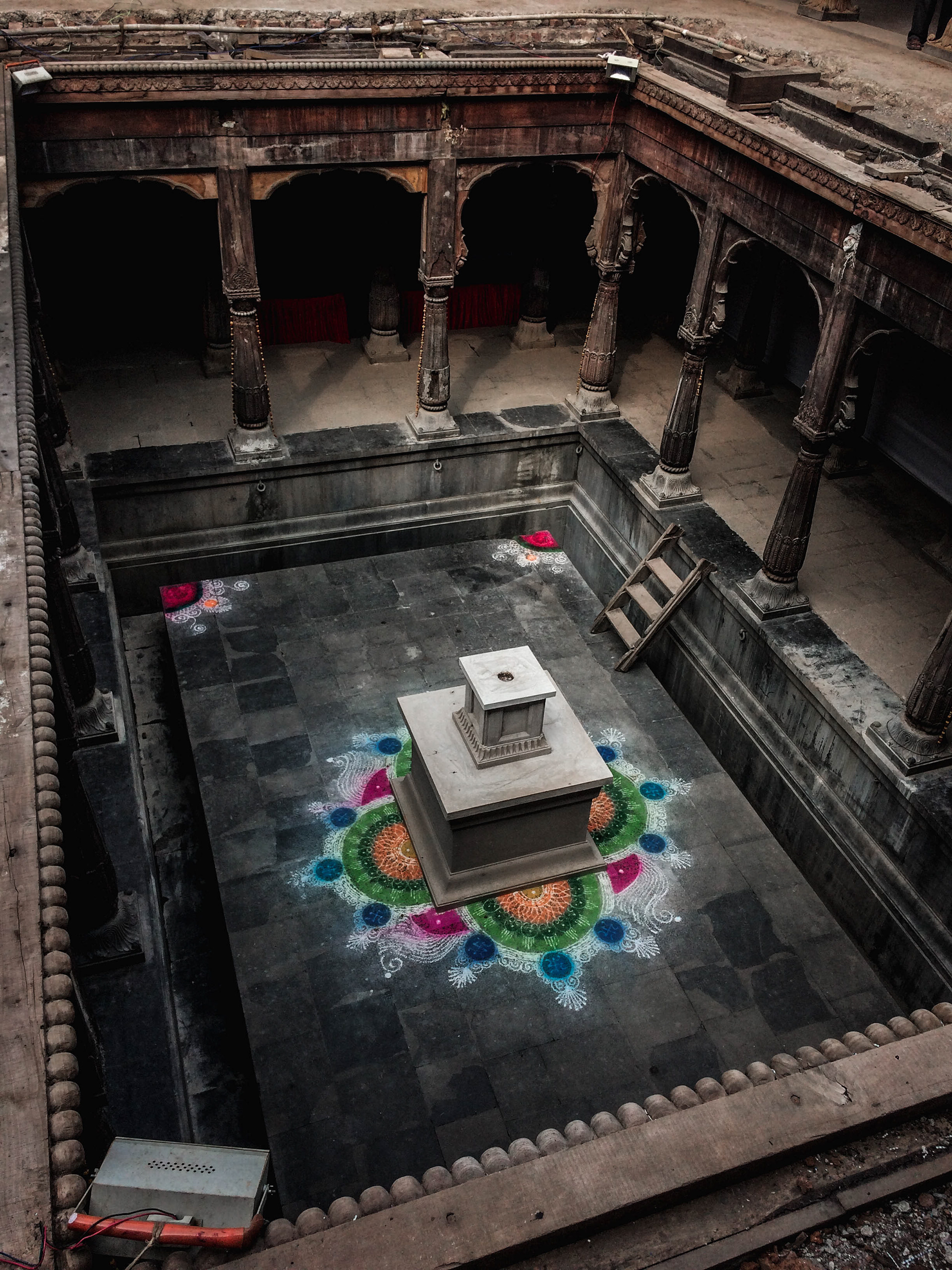
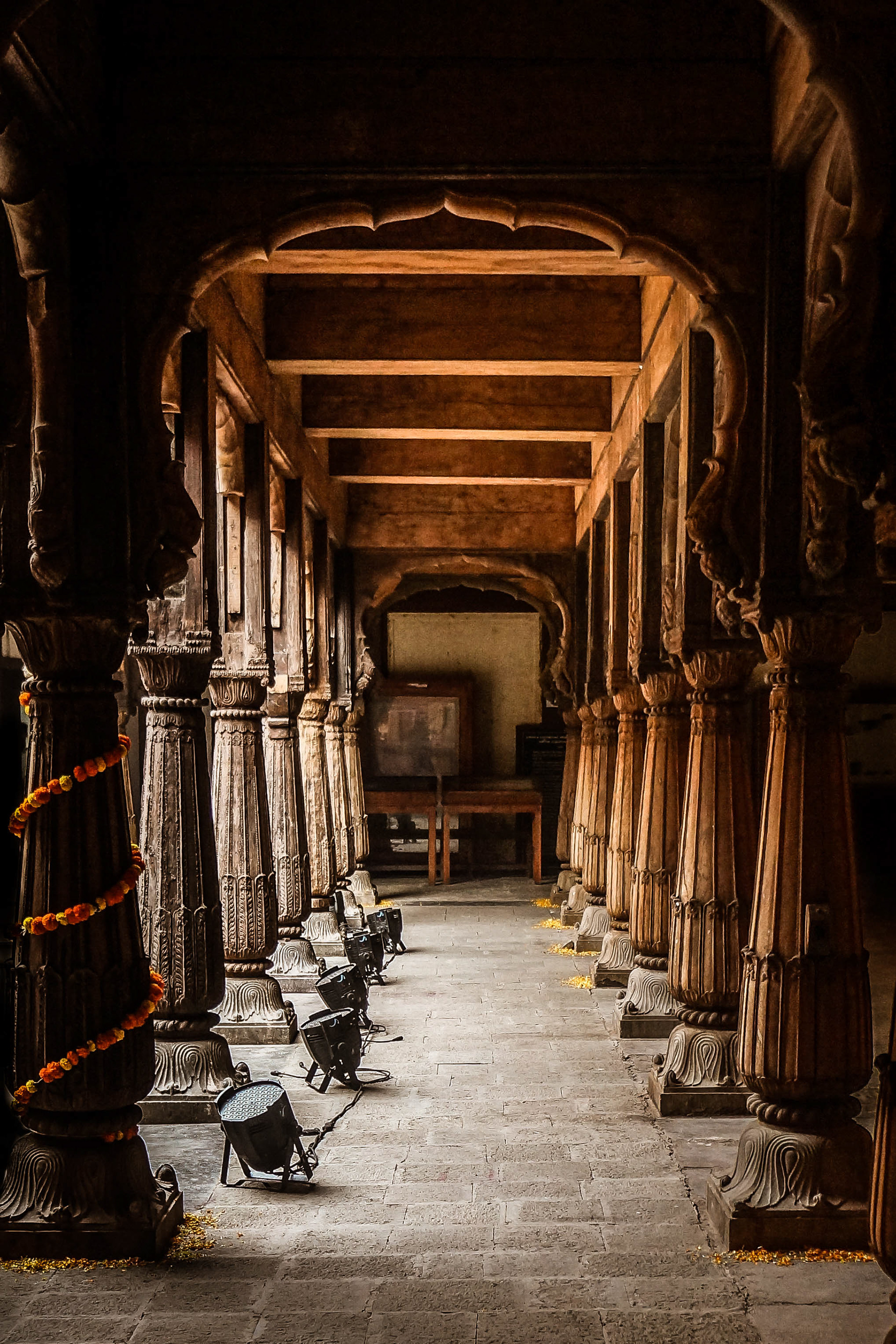
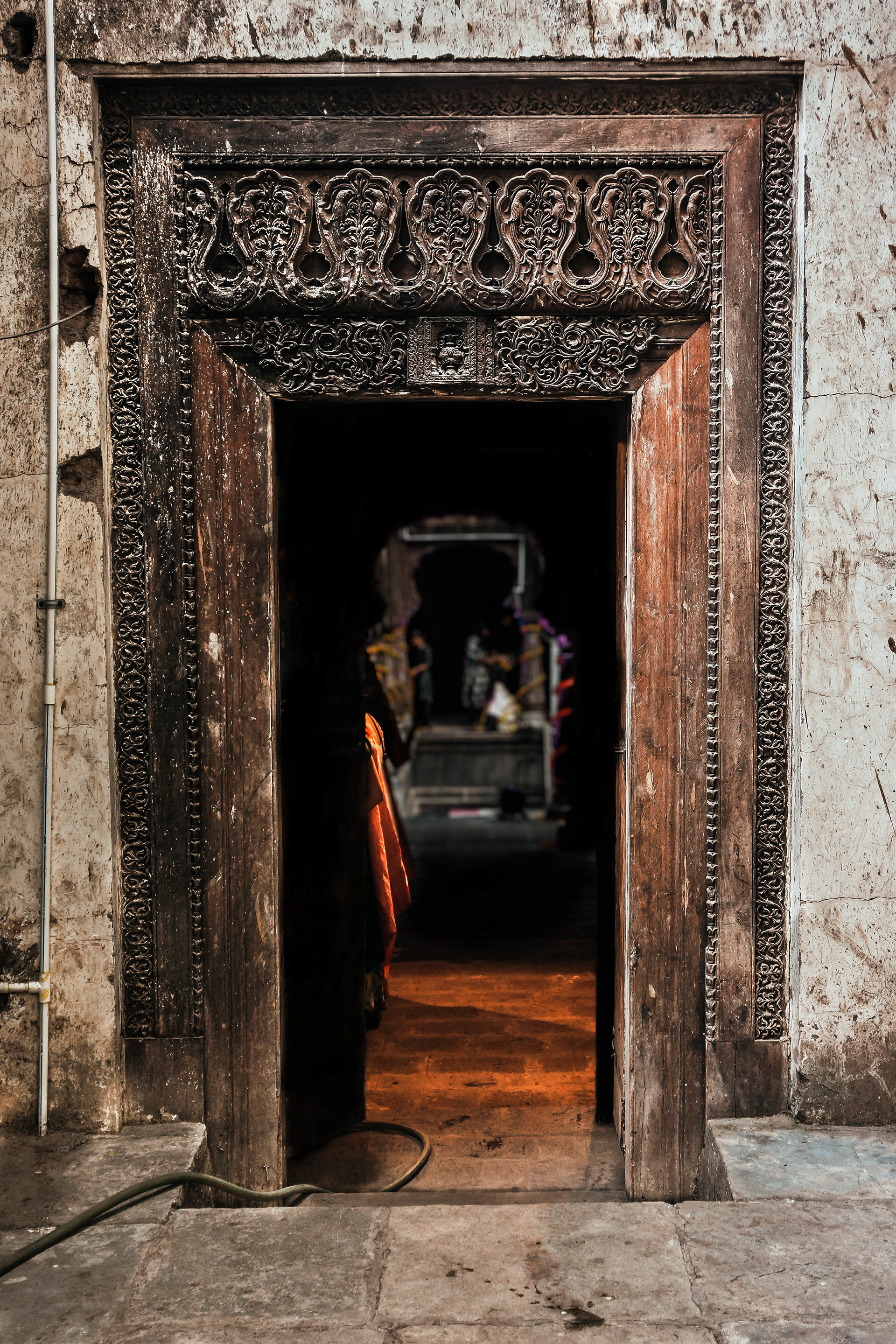
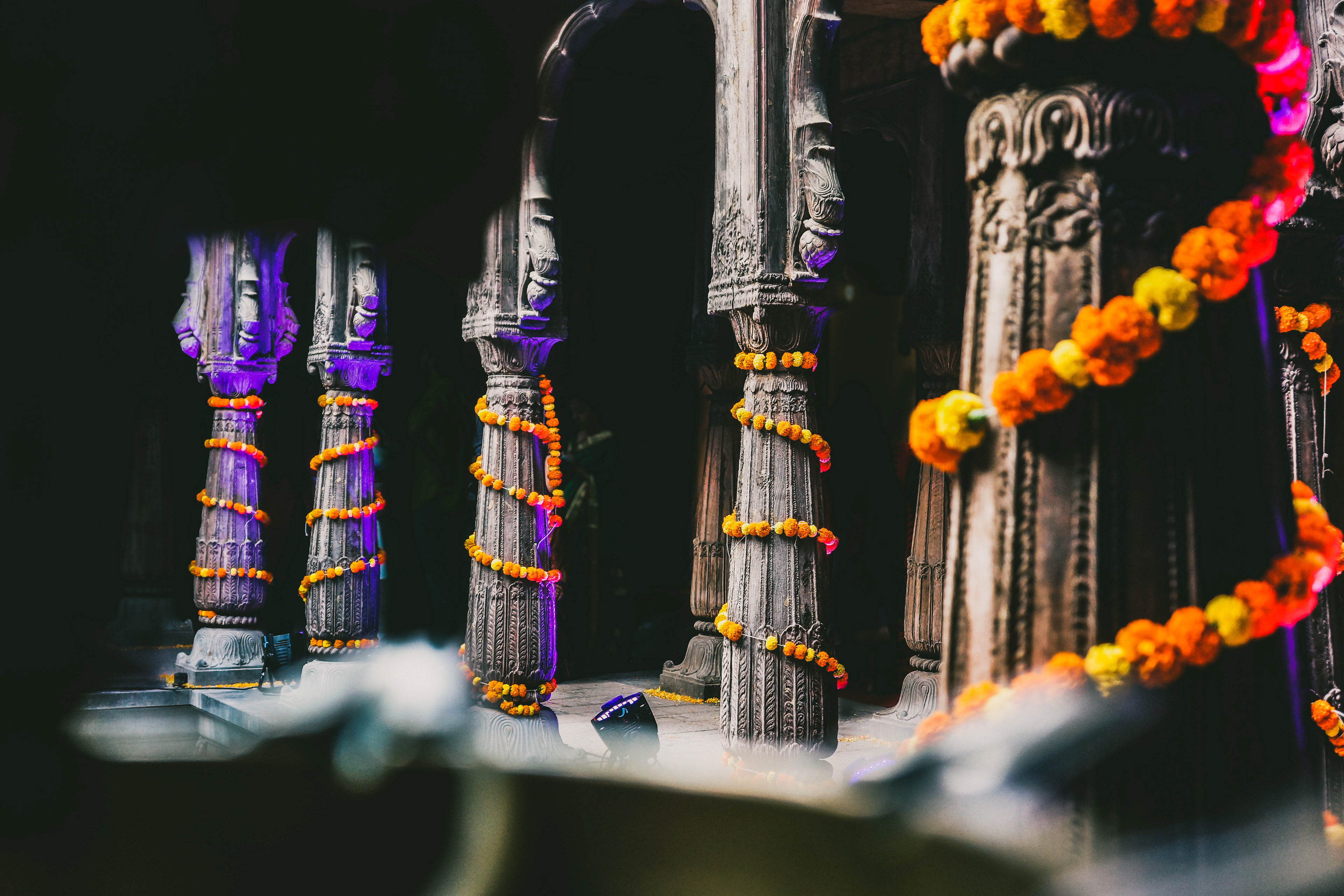
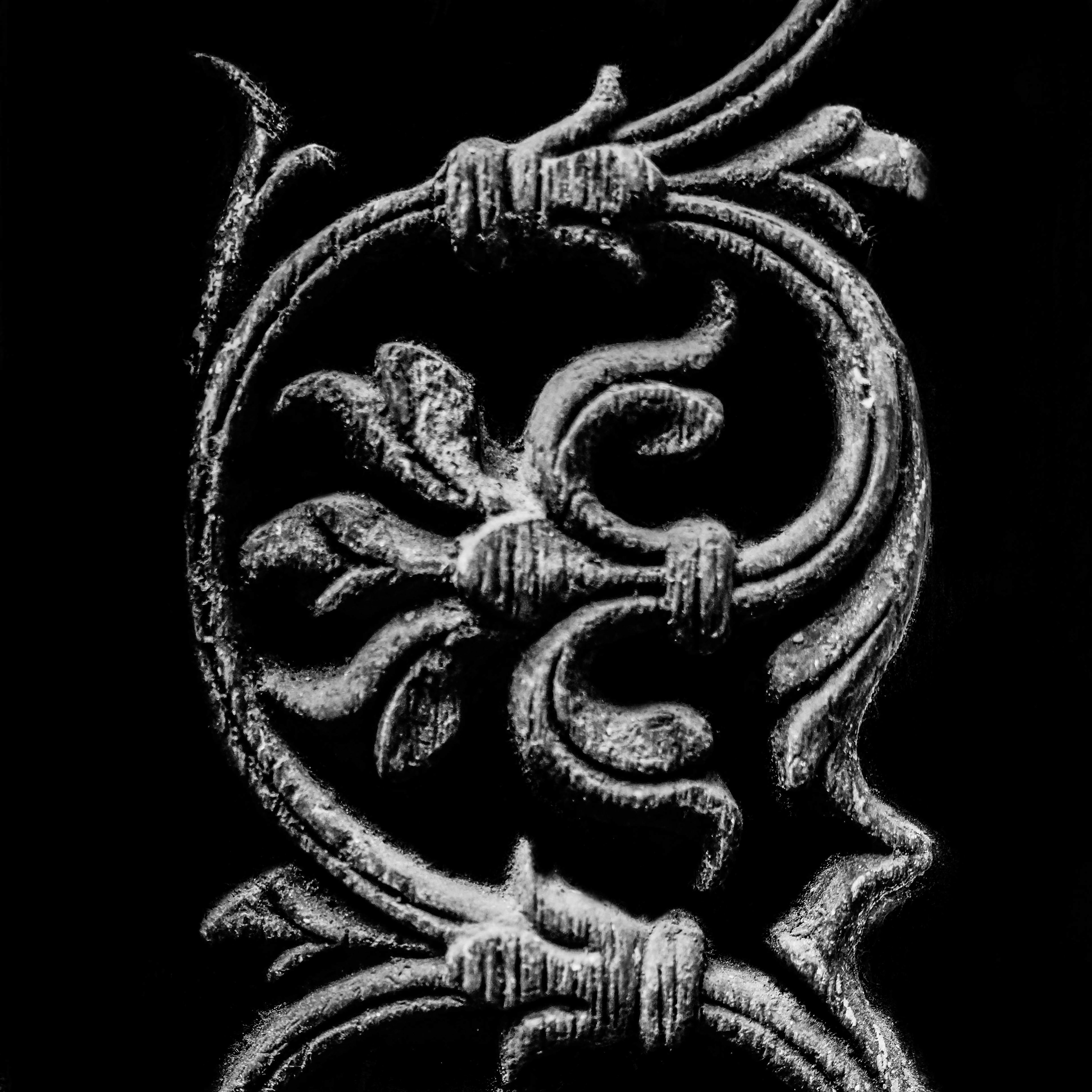
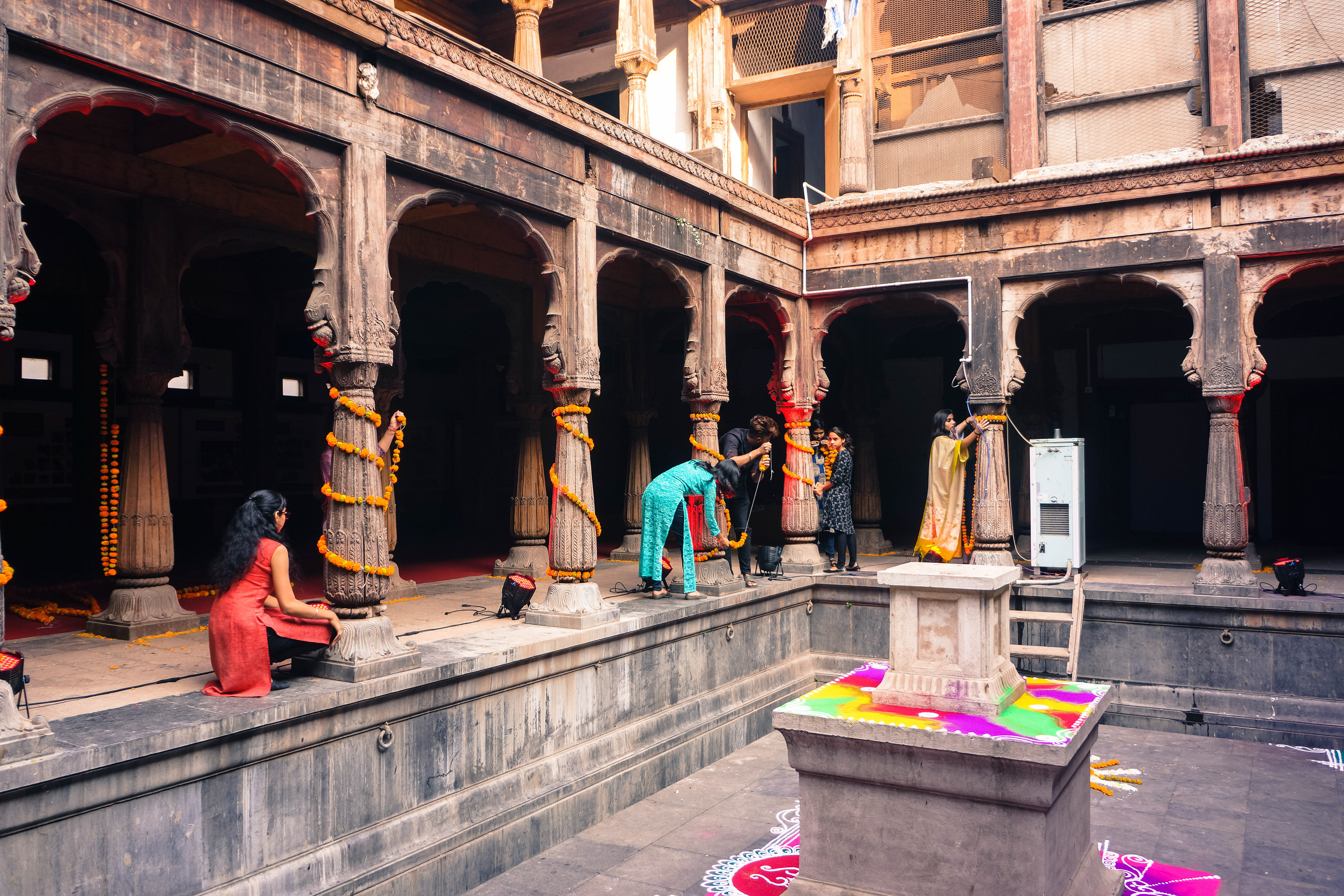
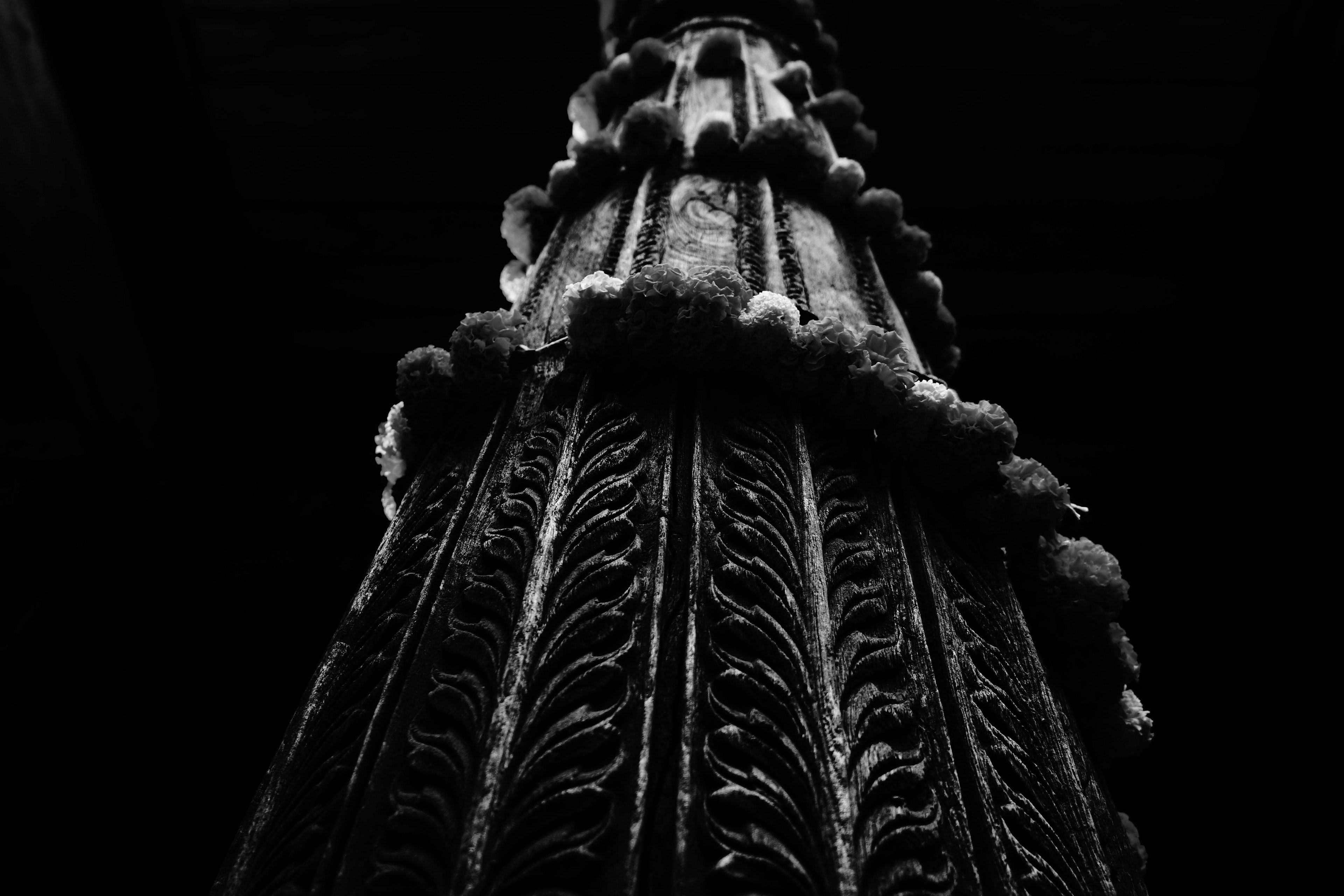
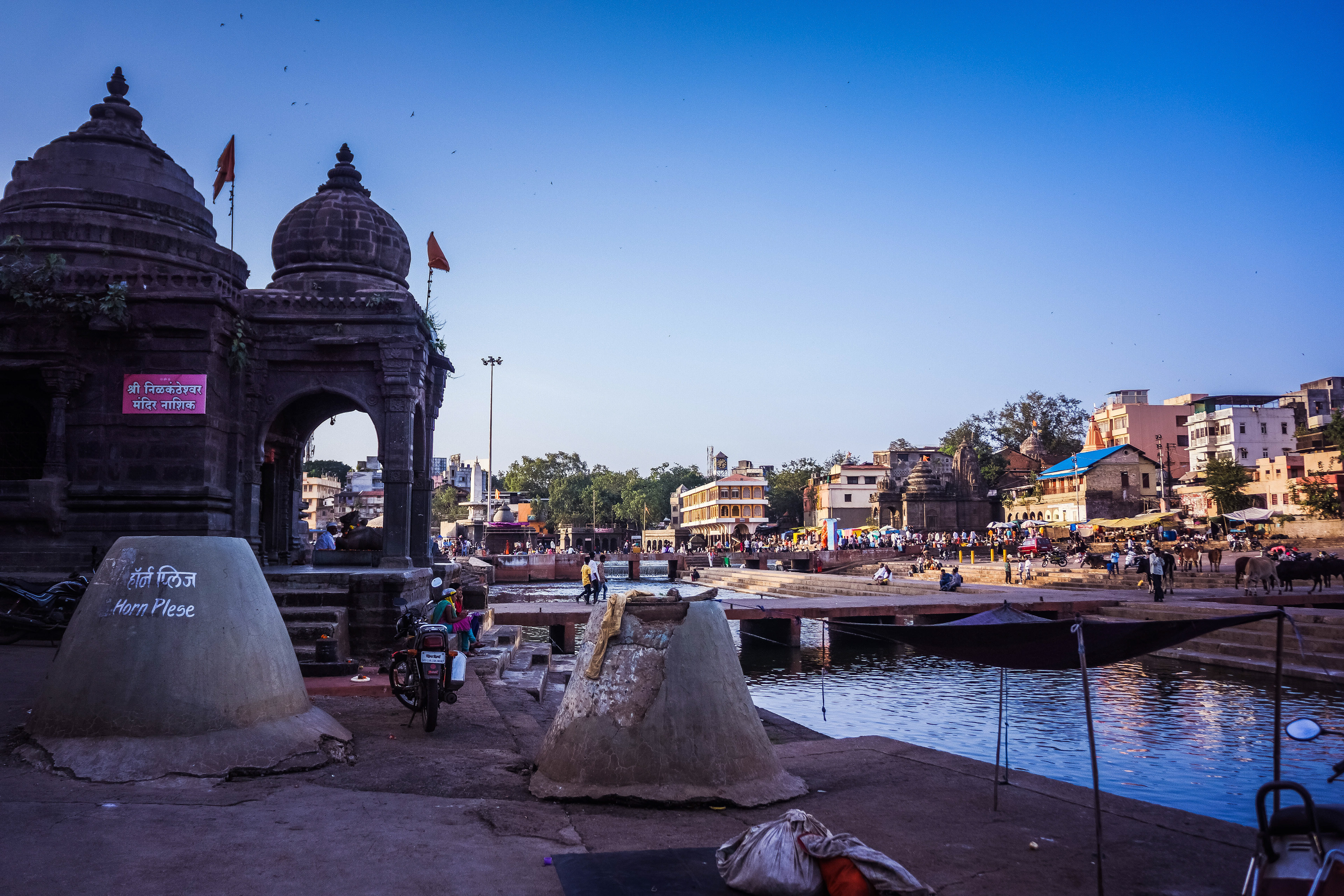
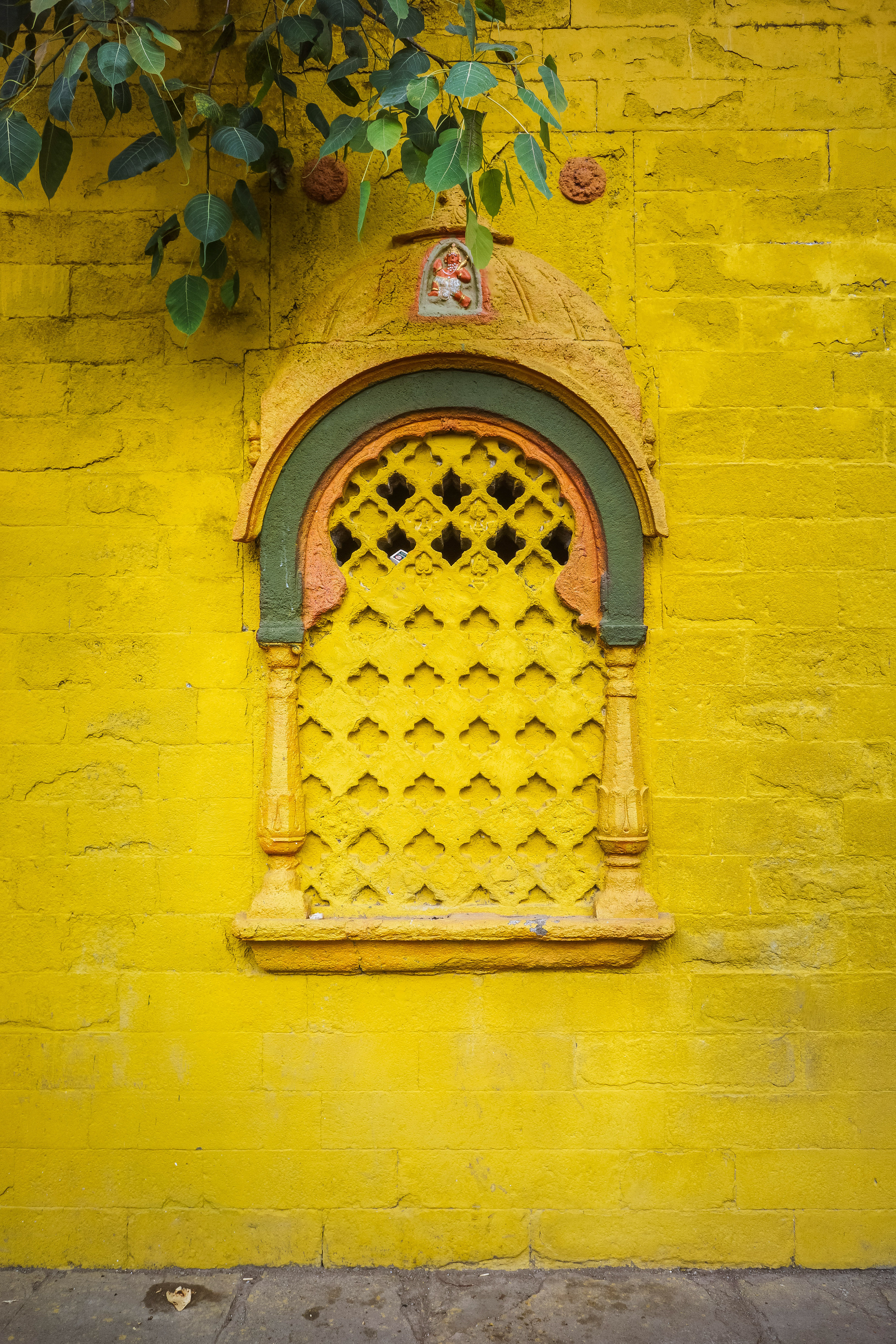
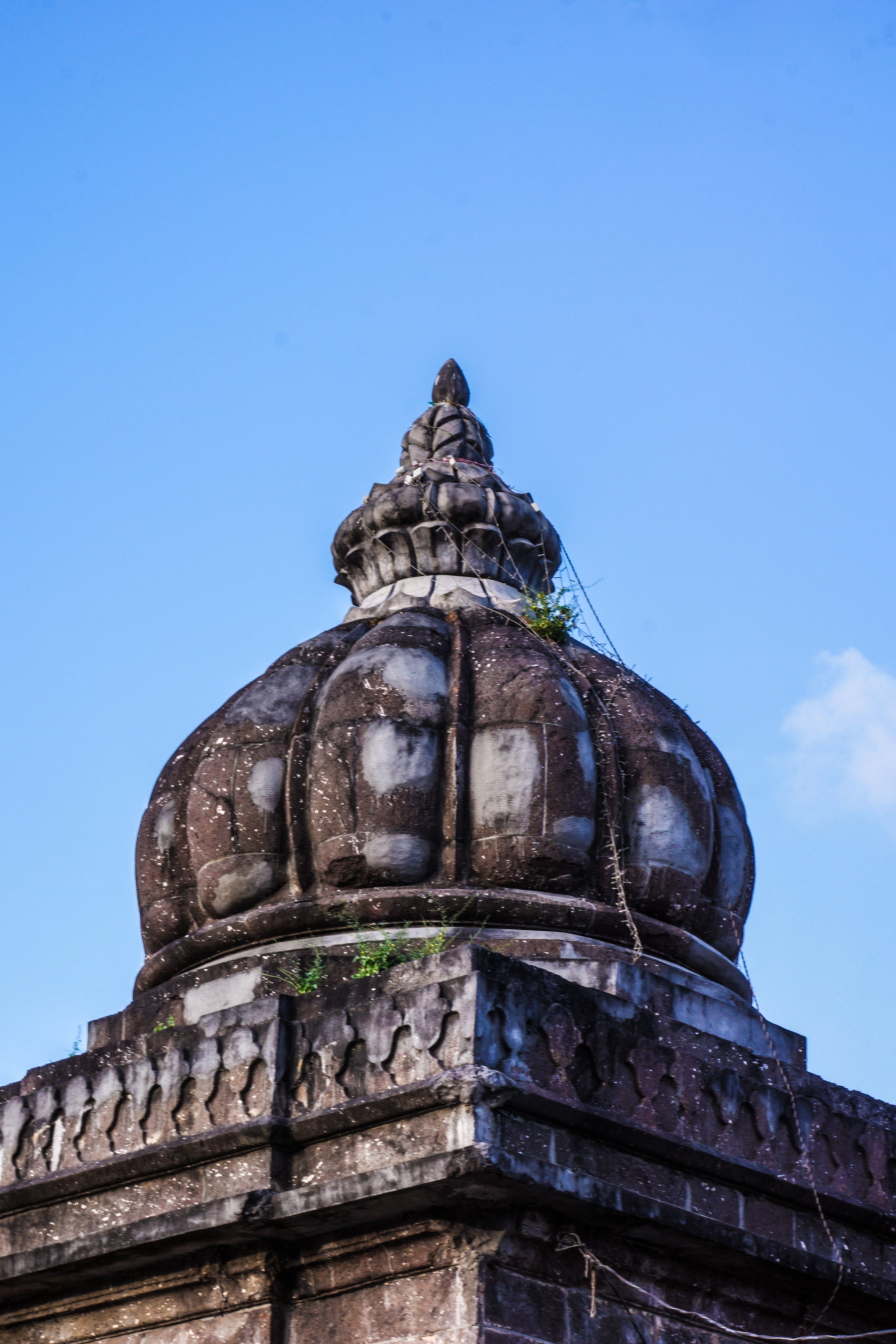
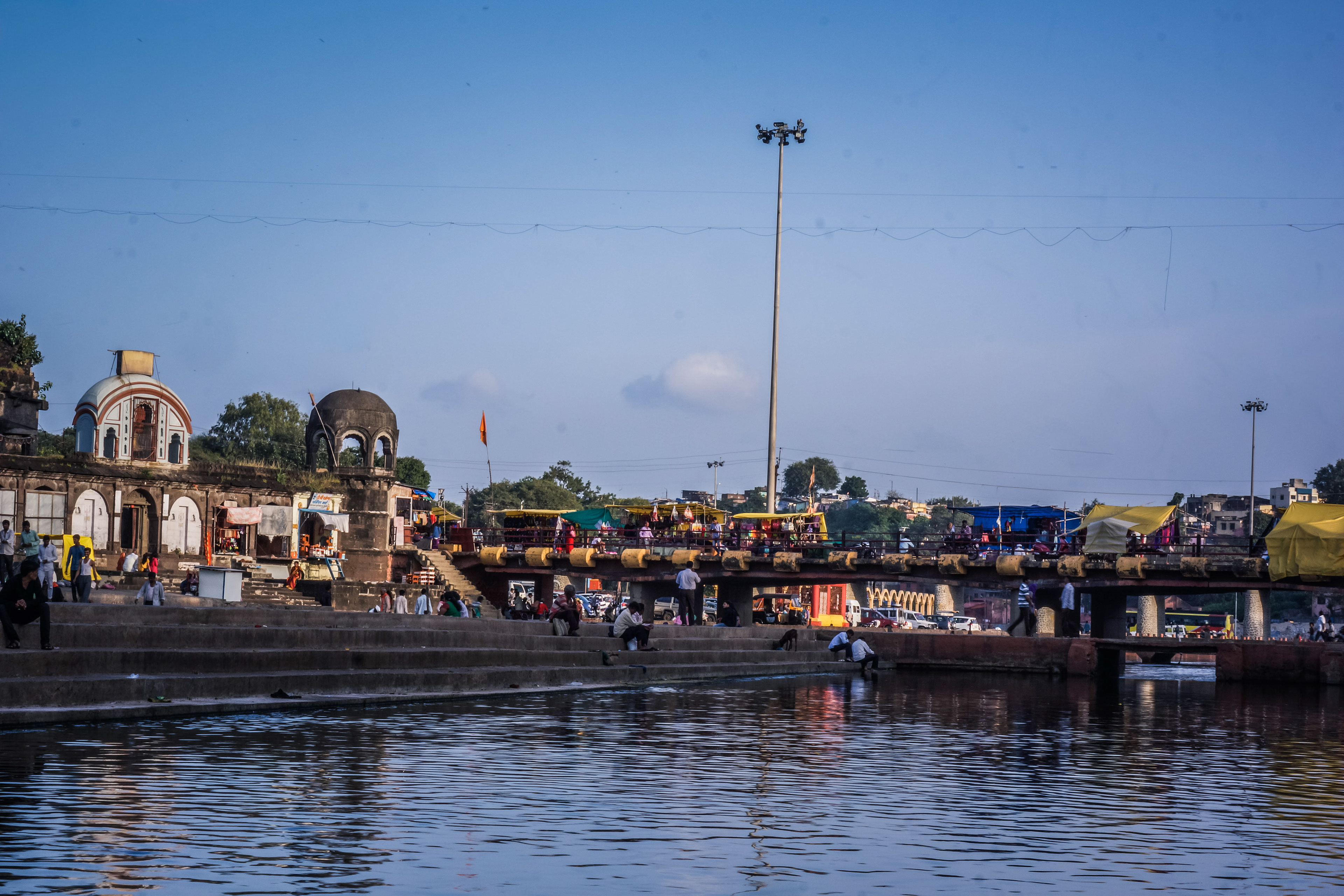

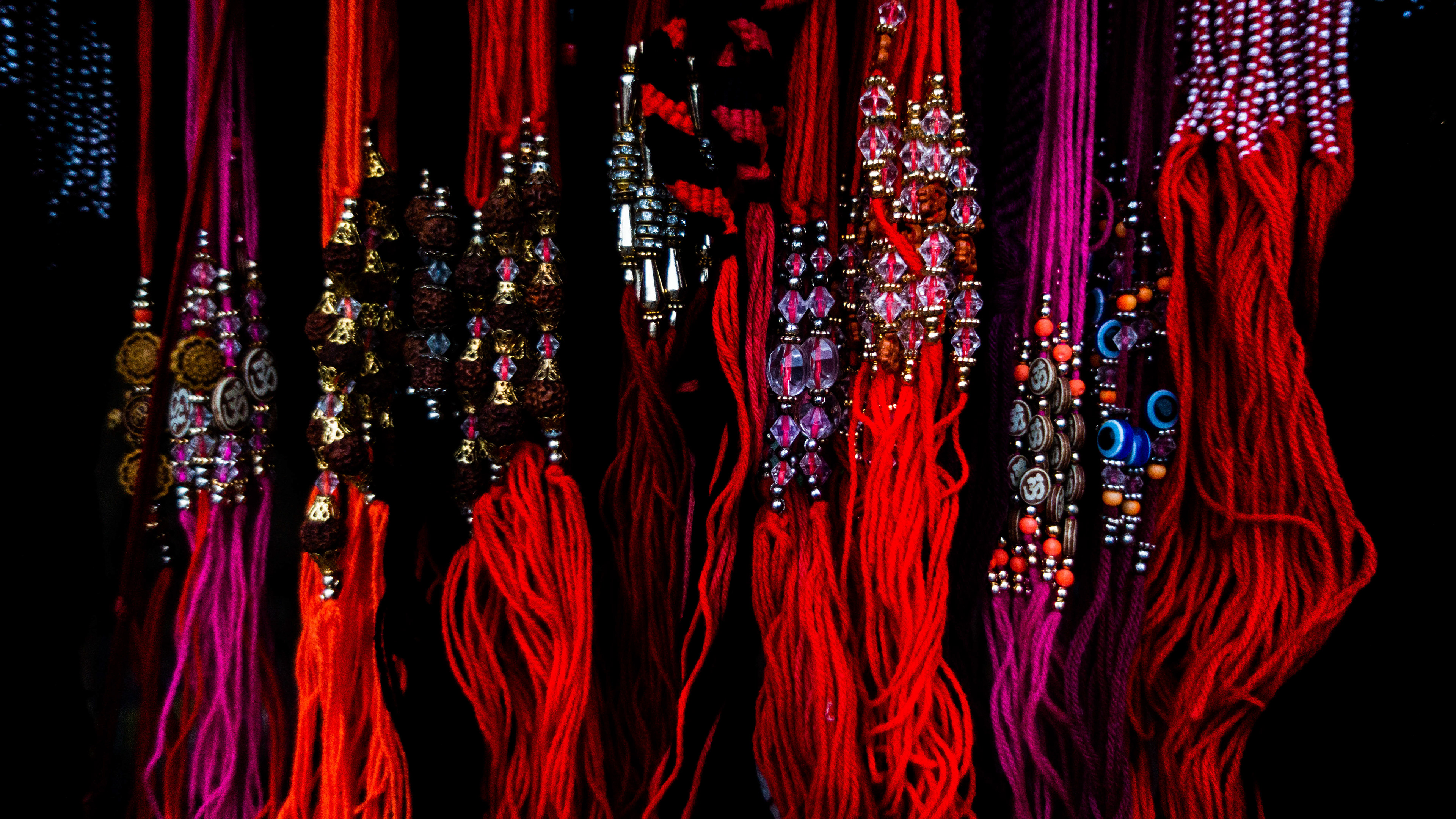
This city also hosts Kumbh Mela. According to the history of Hindu religion, Nashik is among the four places where the Amrit (elixir) from a Kumbha (pitcher) when the gods and demons were fighting to gain its own so that they become immortal after drinking the elixir which was found after Samudra Manthan. So due to the religious importance of the city, you find many temples over here. This festival takes place every 14 years.
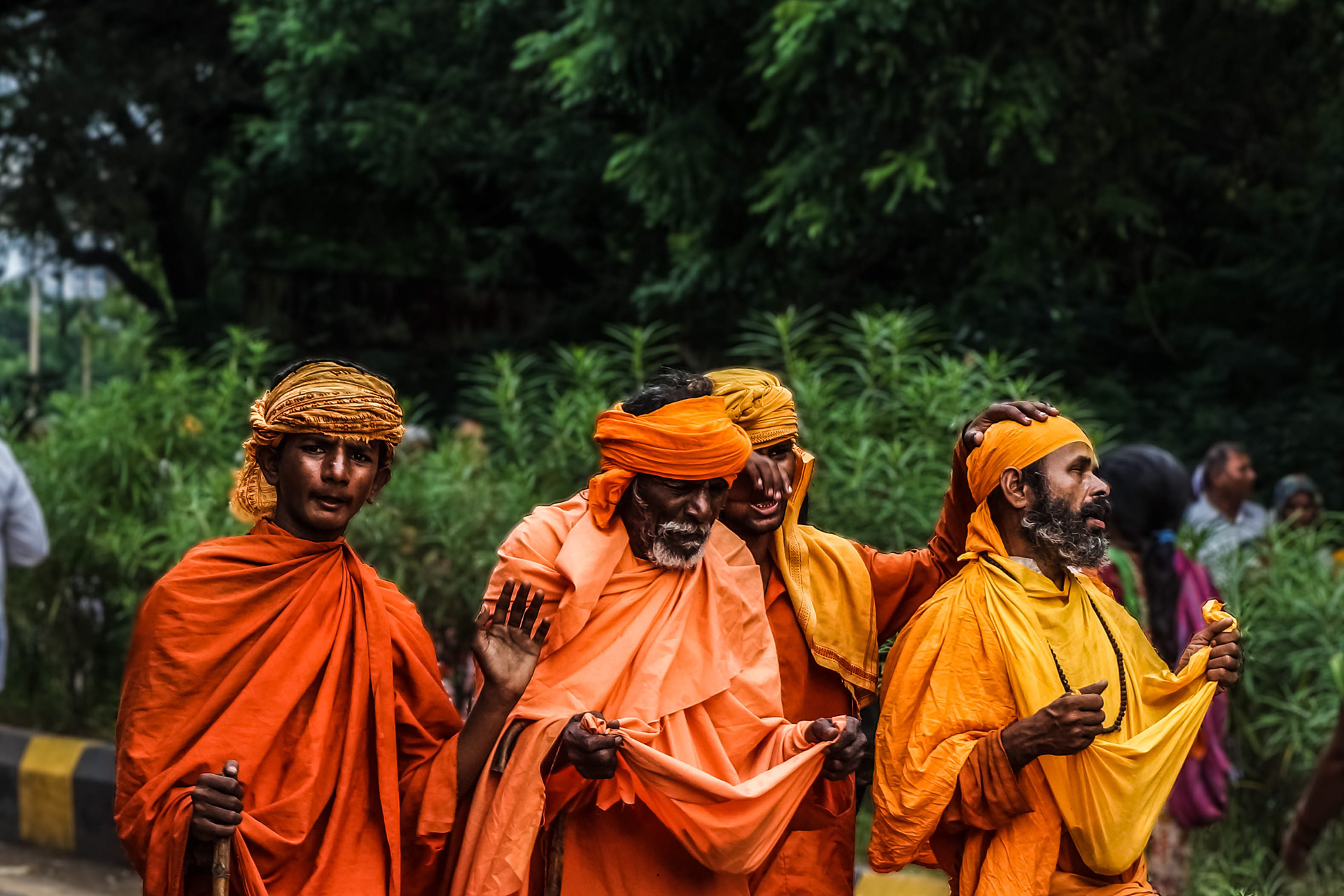
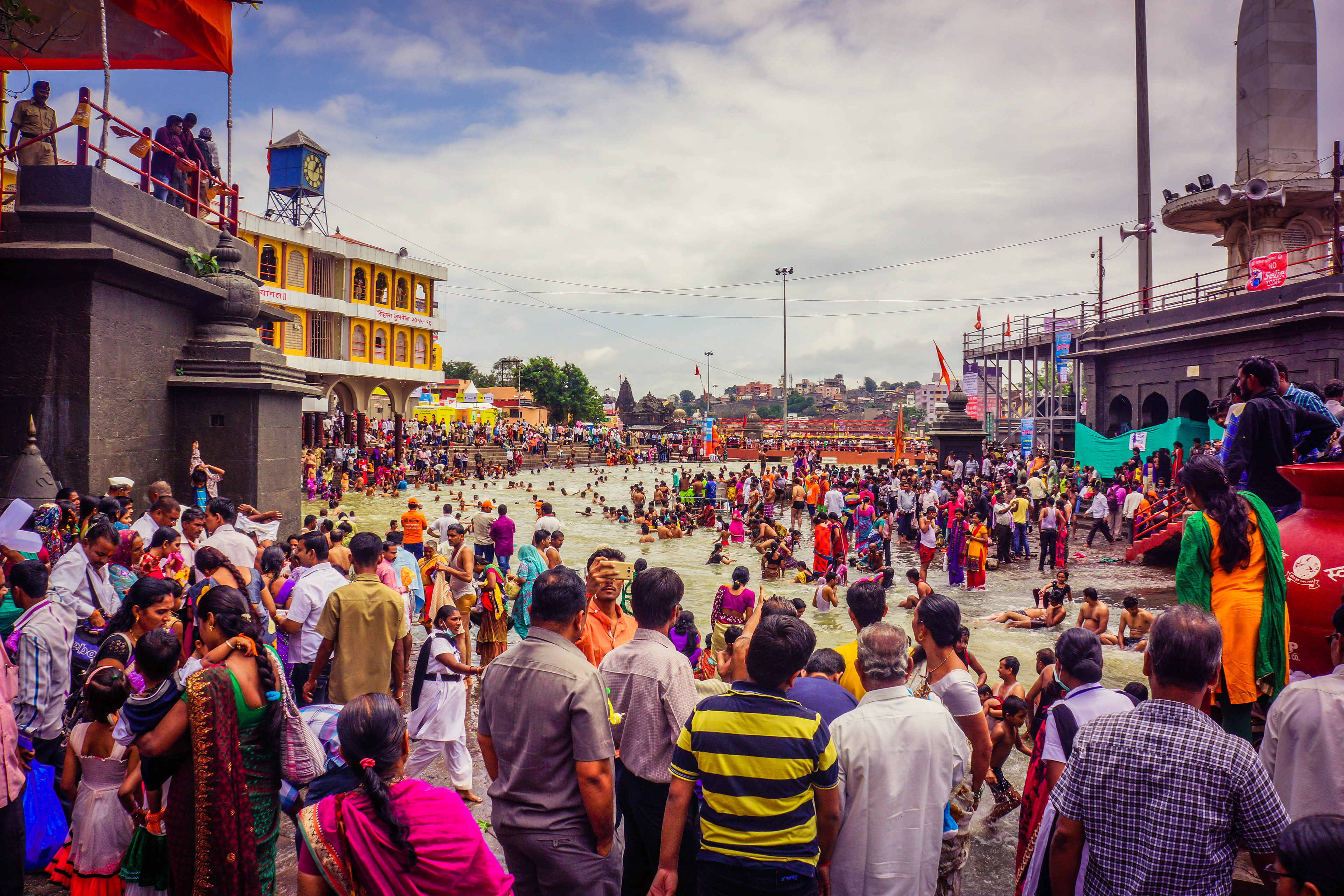
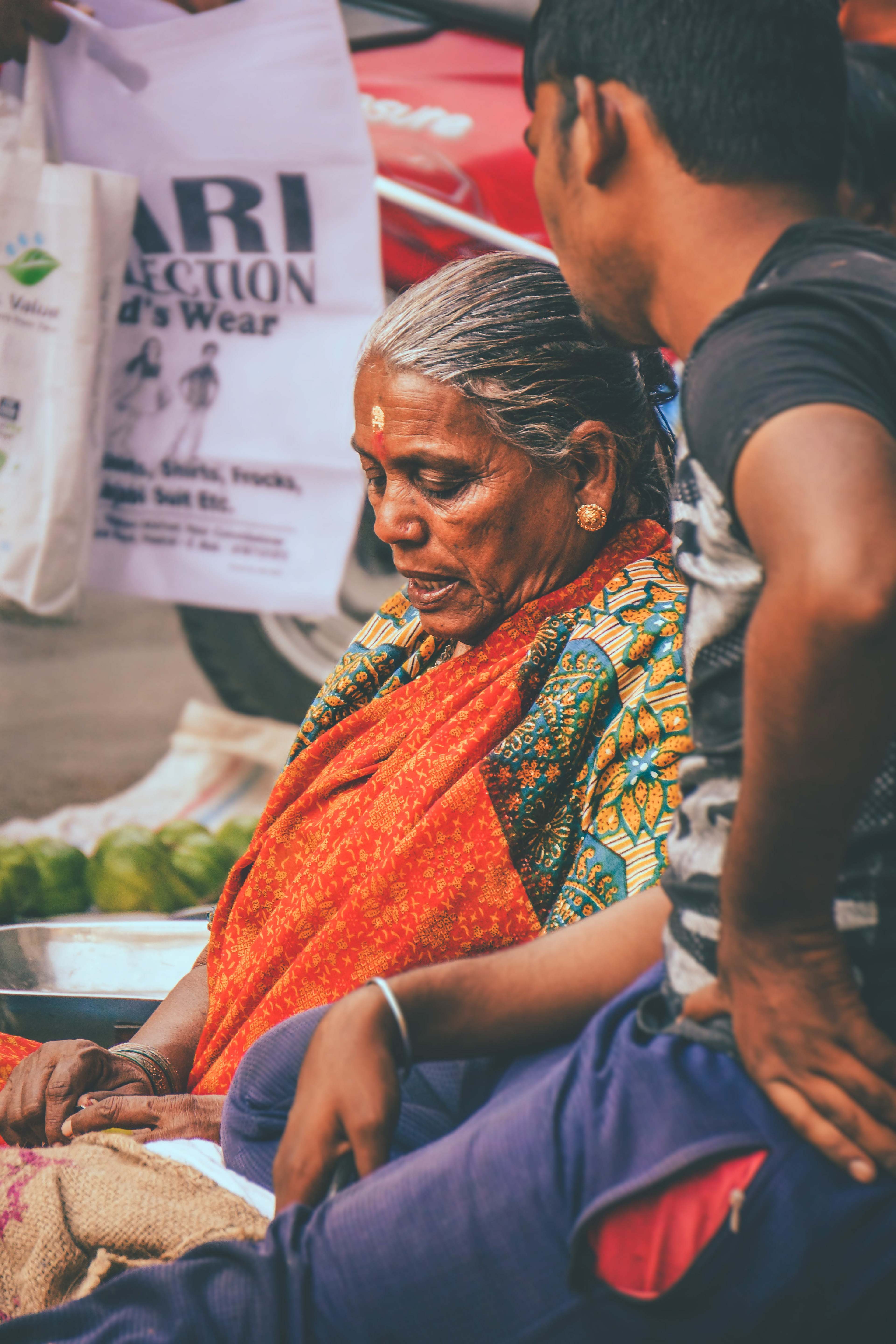
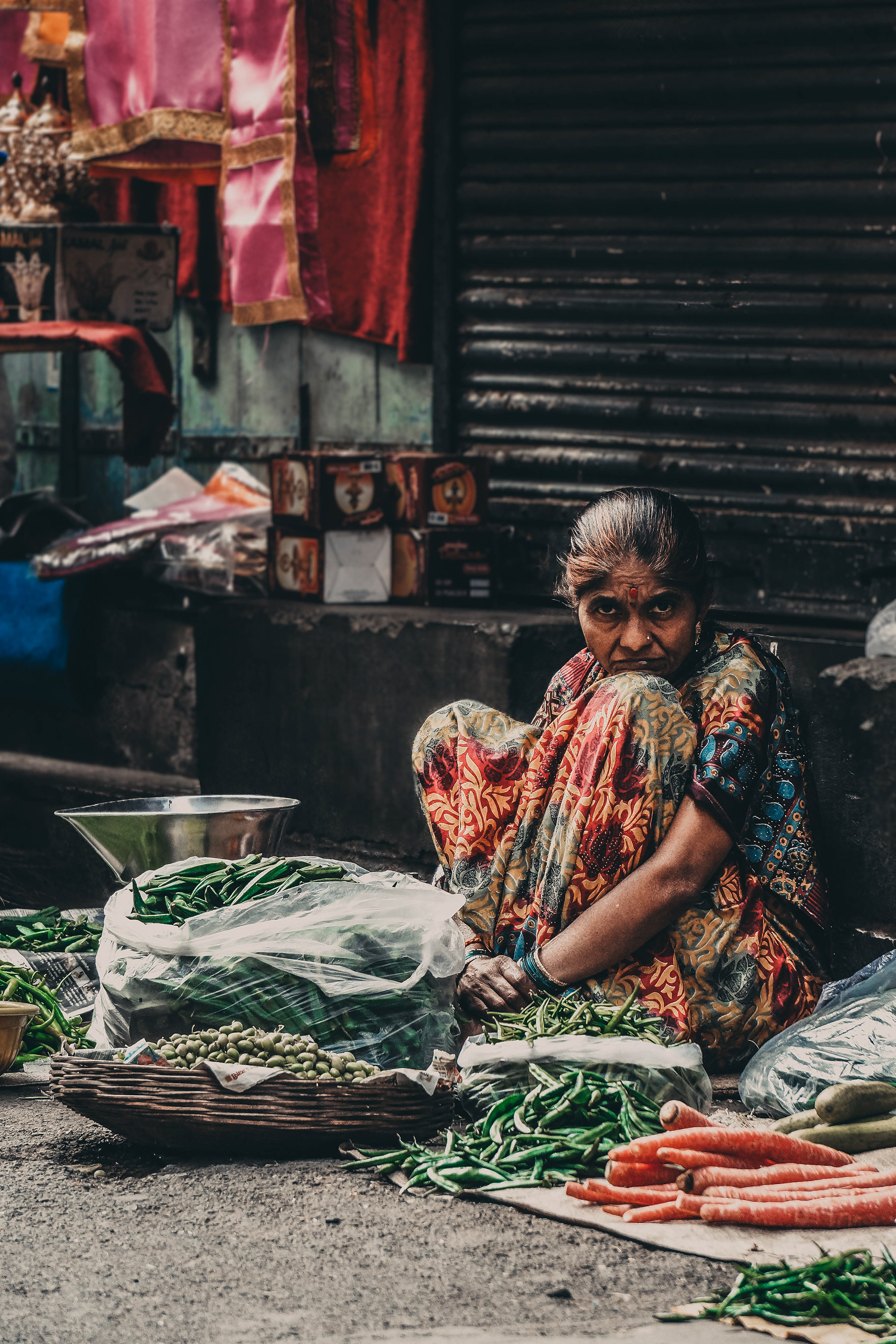
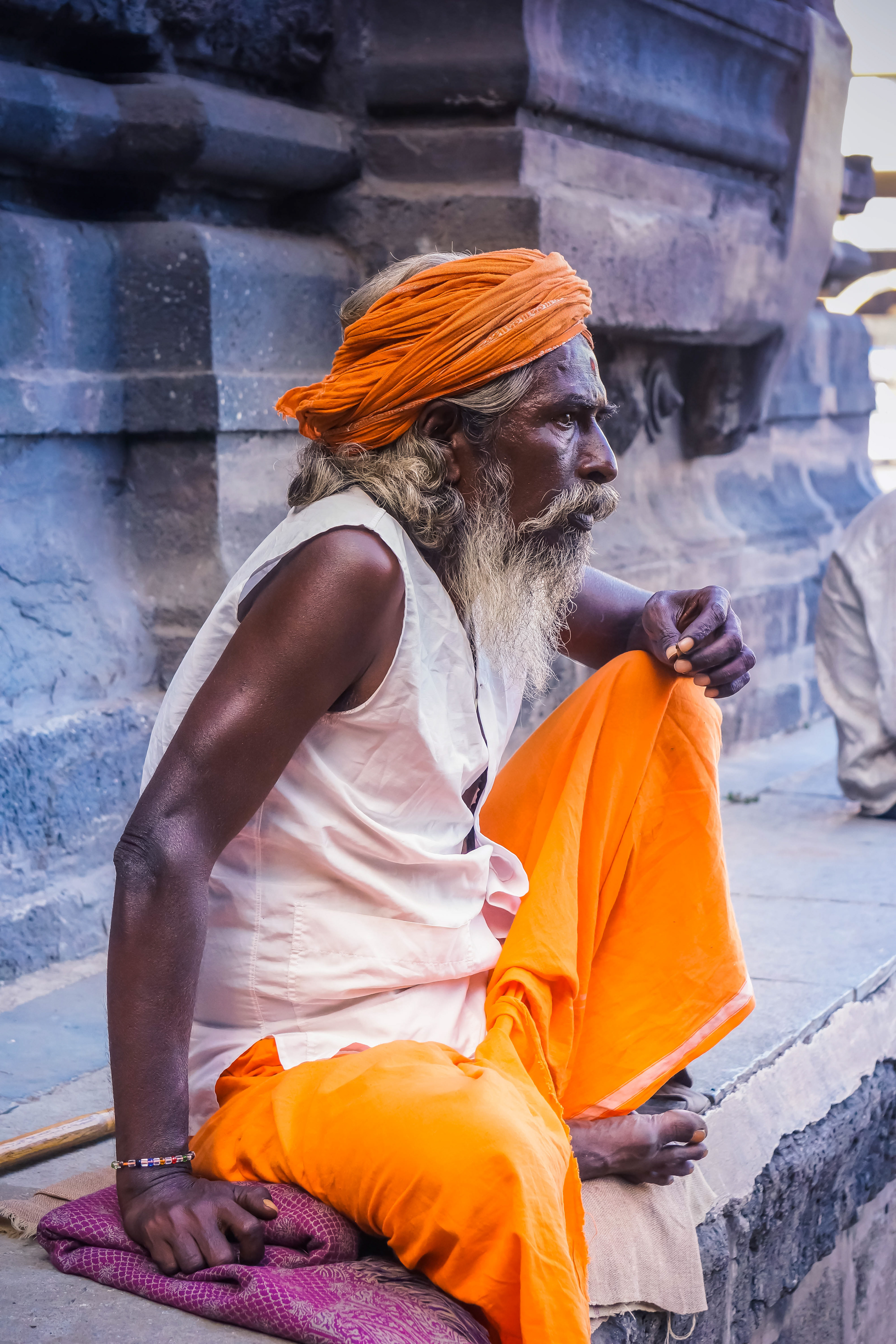
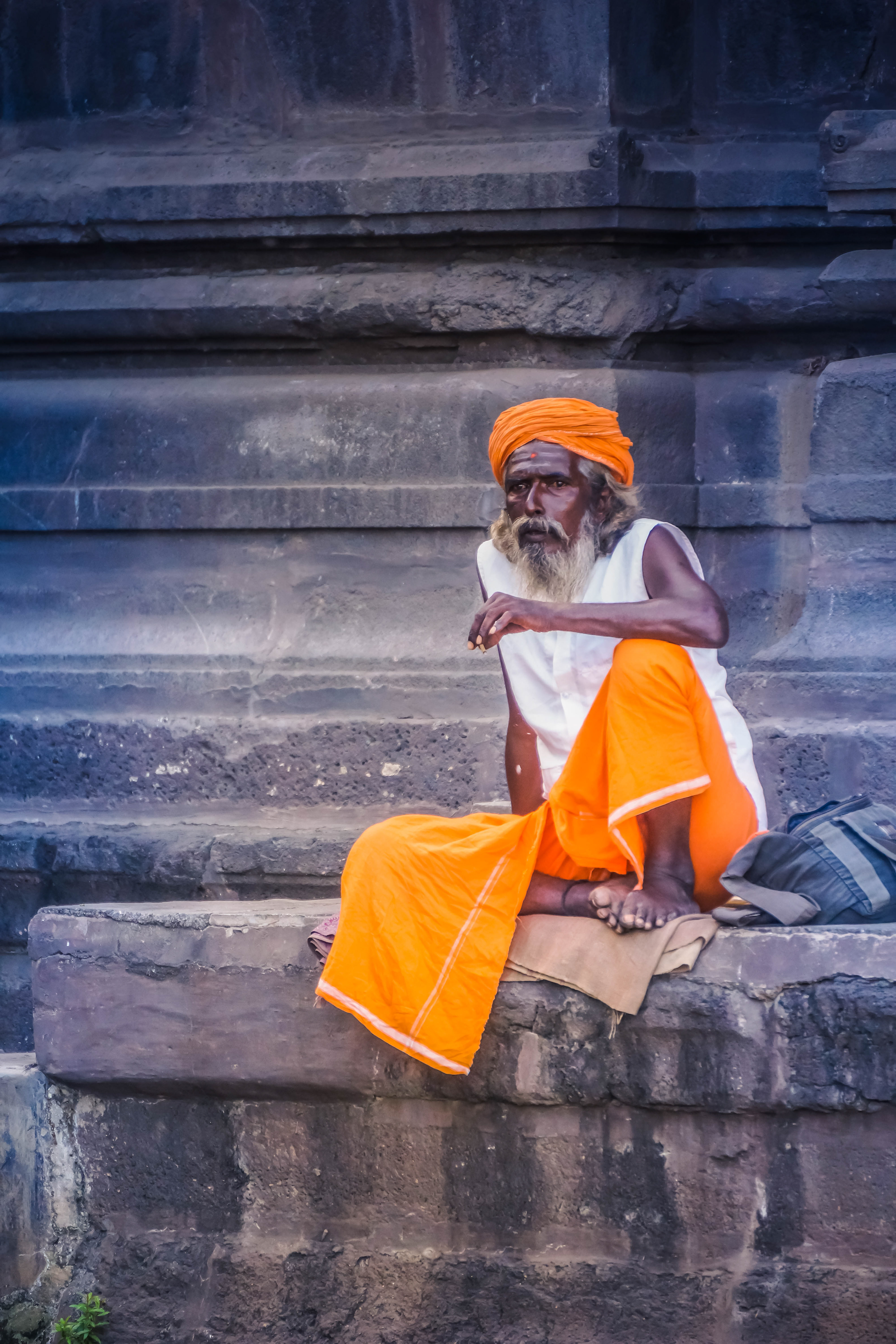
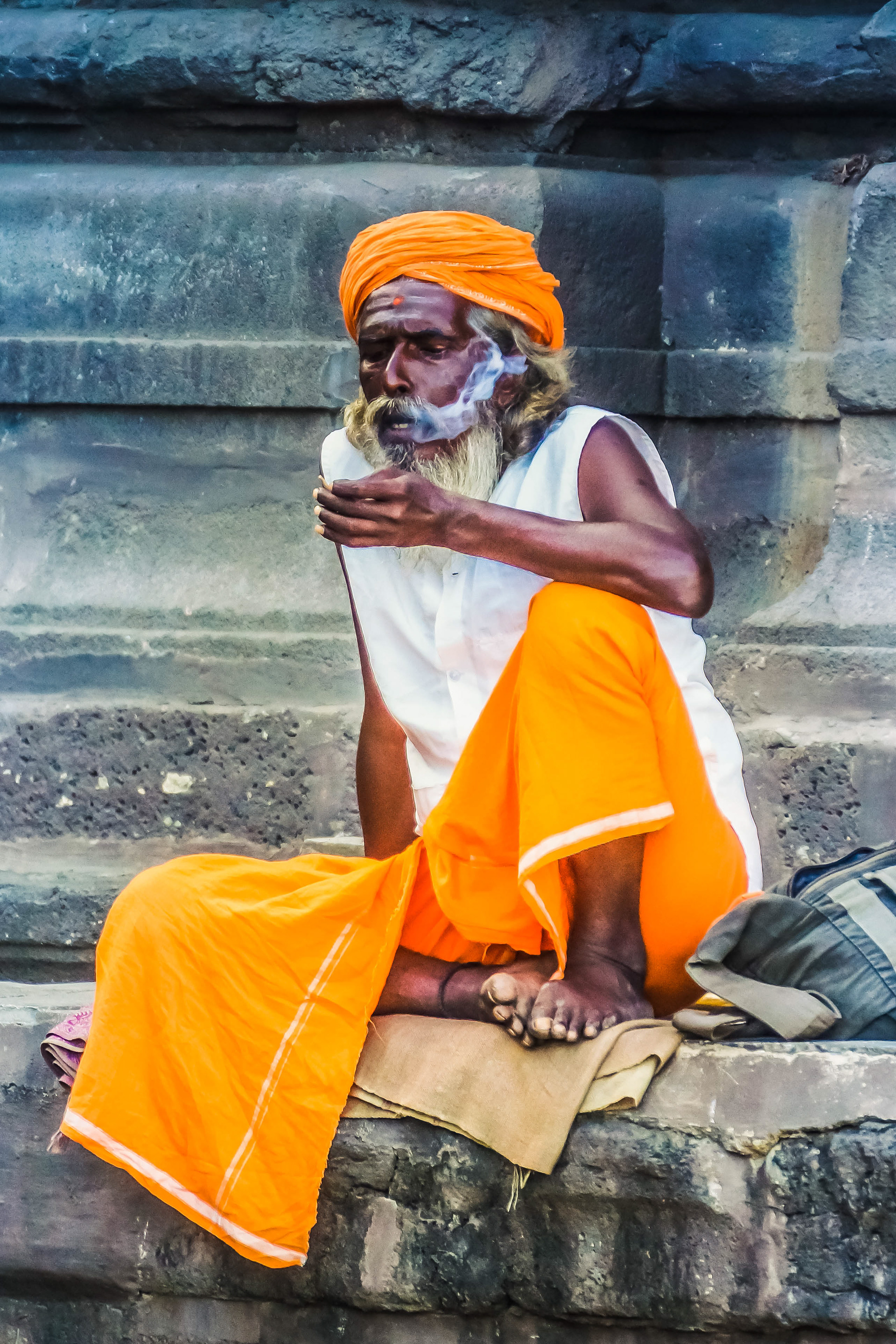
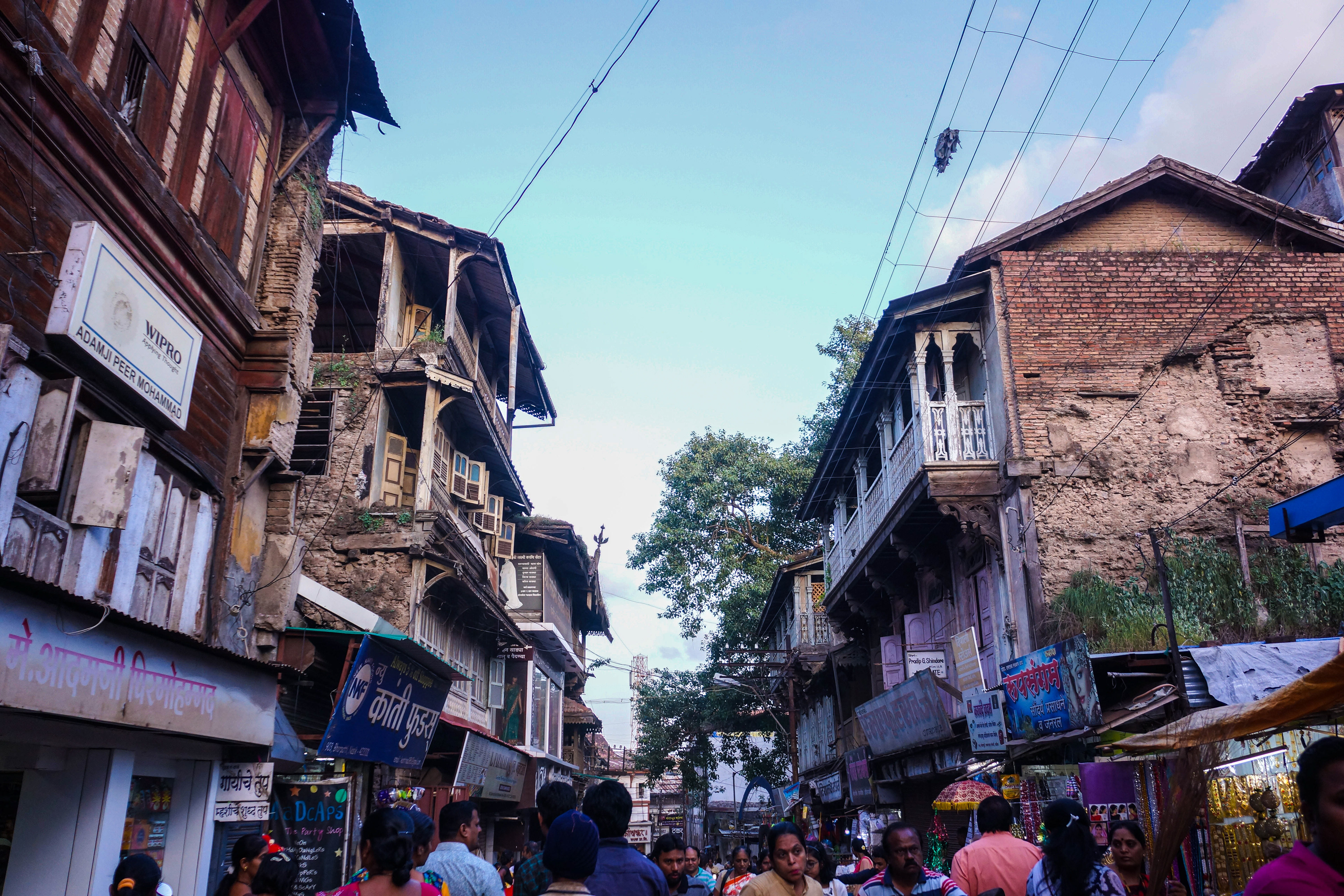
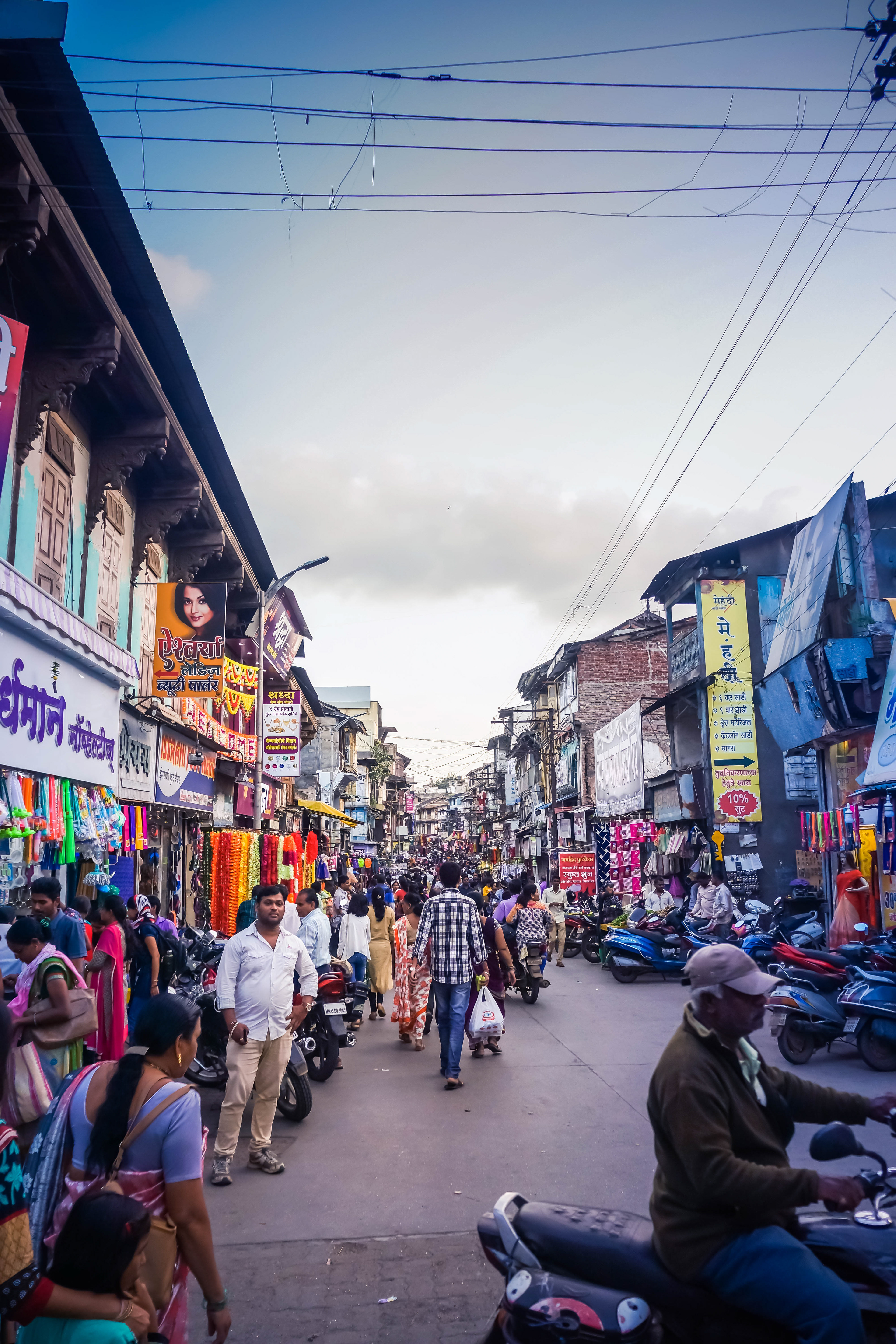
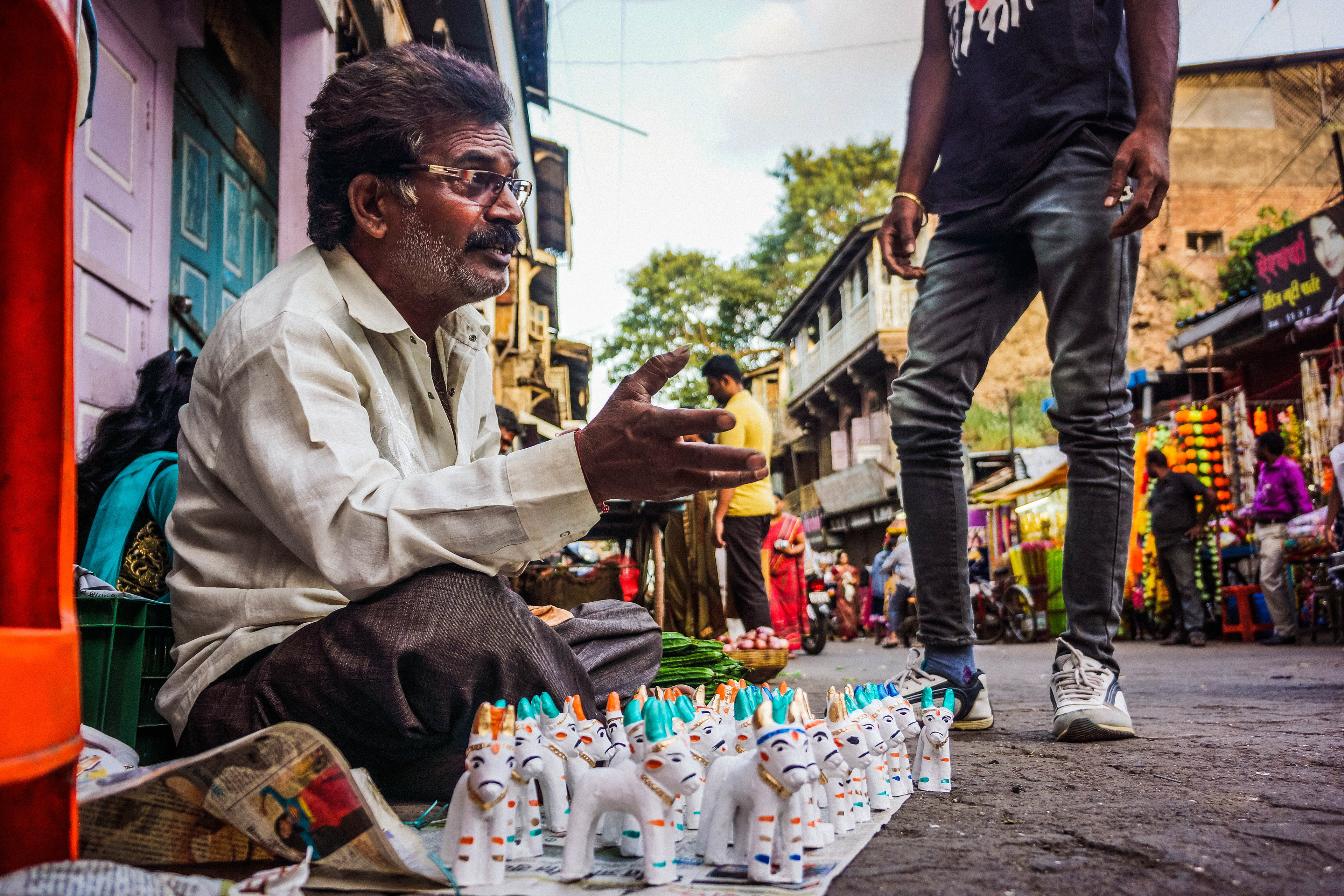
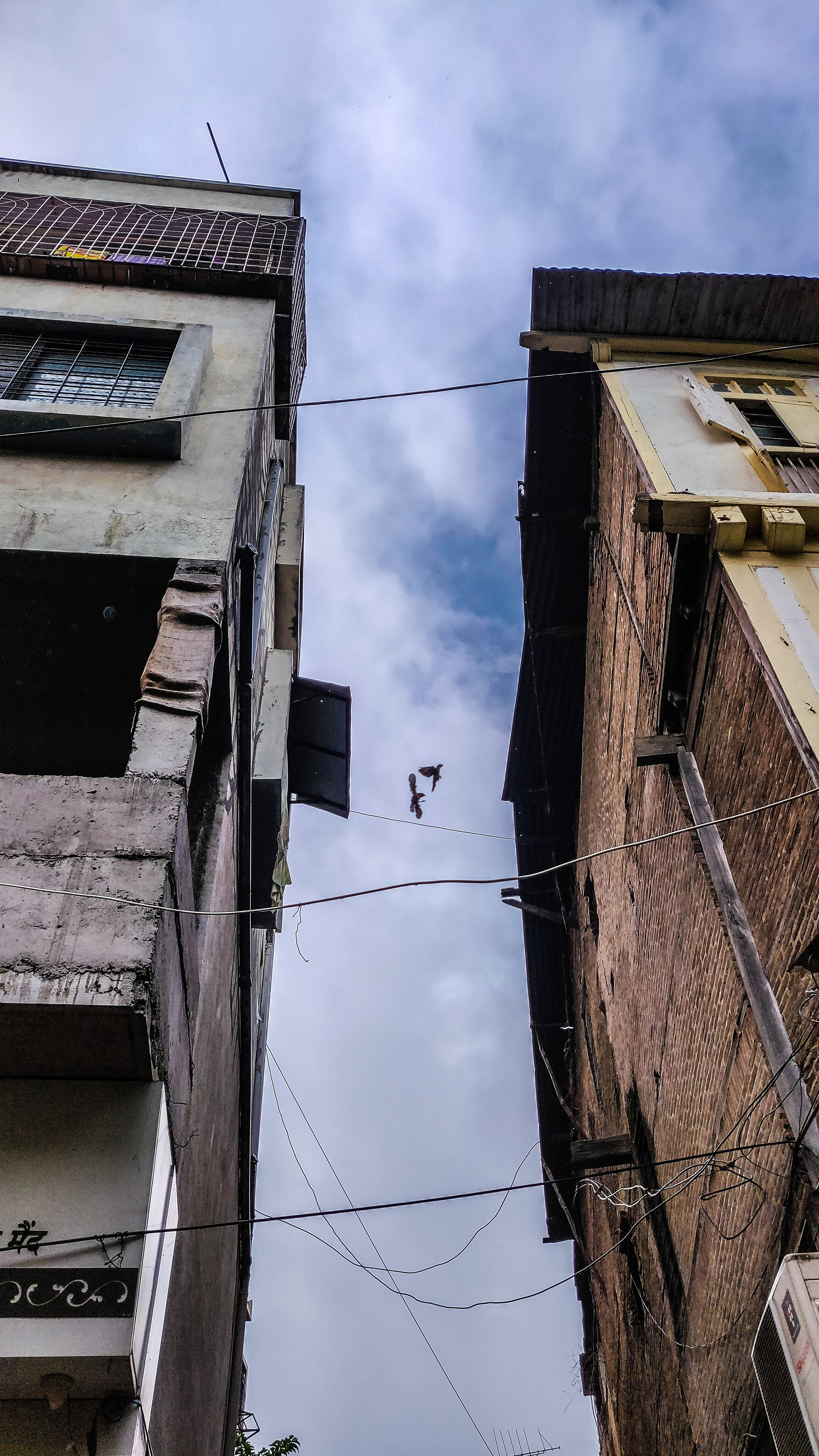
The core area is the old Nashik and its counterpart Panchvati area on the other bank of the river. There the landscape is dominated by the ghats on the riverfront by the temples on either side and in midstream by the kund of great sanctity in the Godavari bed. The area, even today breathes religion and around the religious buildings stand the ancillary structures such as dharamshala, priestly homes, and strings of retail shops all serve the visiting pilgrims. Behind this river belt stand old and crowded house almost leaning on the narrow lanes with a temple here and there, and shopping extensions which formed the old commercial core with its artistic copper brass and silverware. Priests, baniyas (businessman) and artisans are permanent residents. Some urban renewal has taken place but crowding of old house structures and overcrowding by population are the two principal characteristics.